Global Experts Gather at CIQTEK to Explore High-Field EPR Technology
April 02, 2026
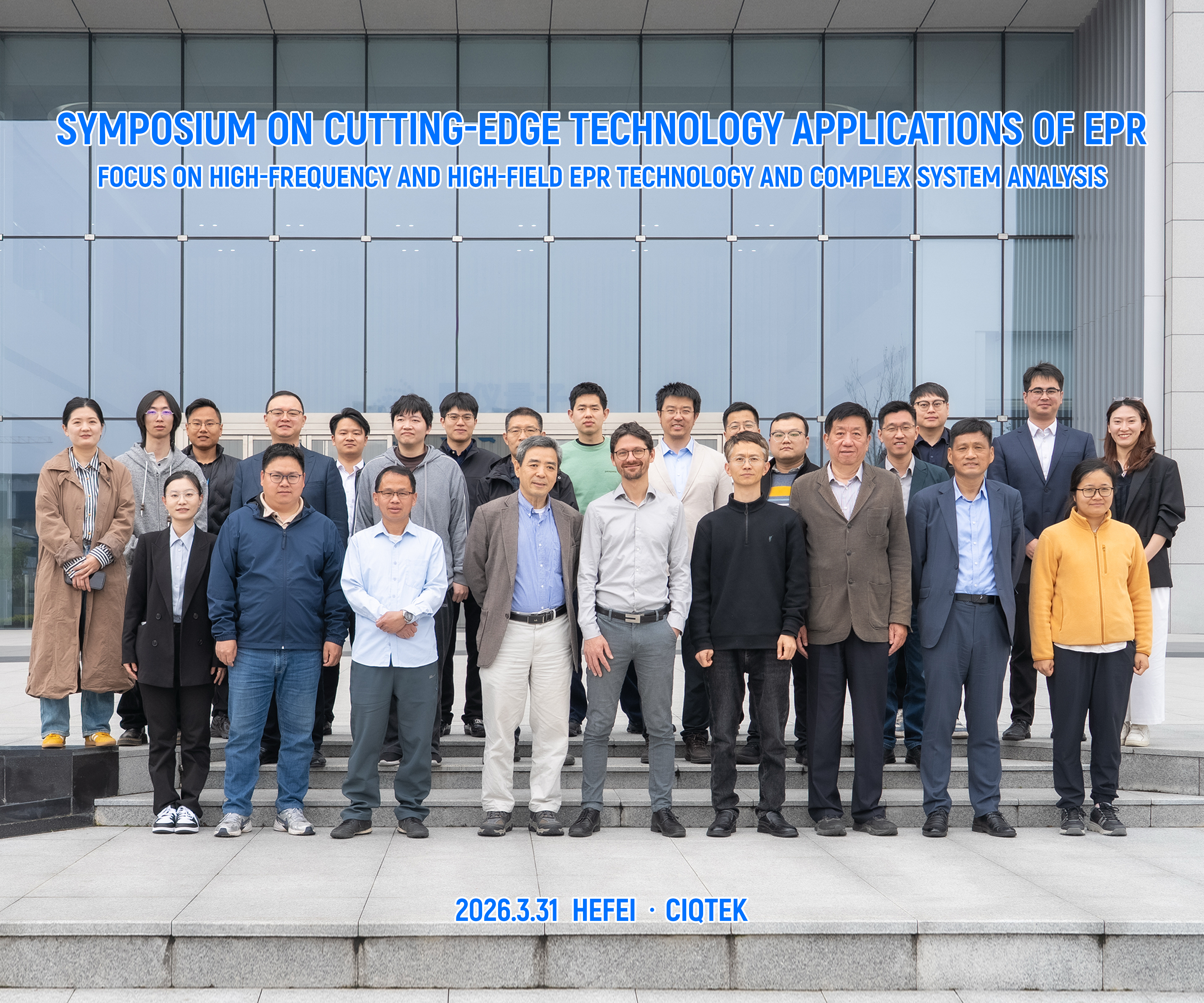
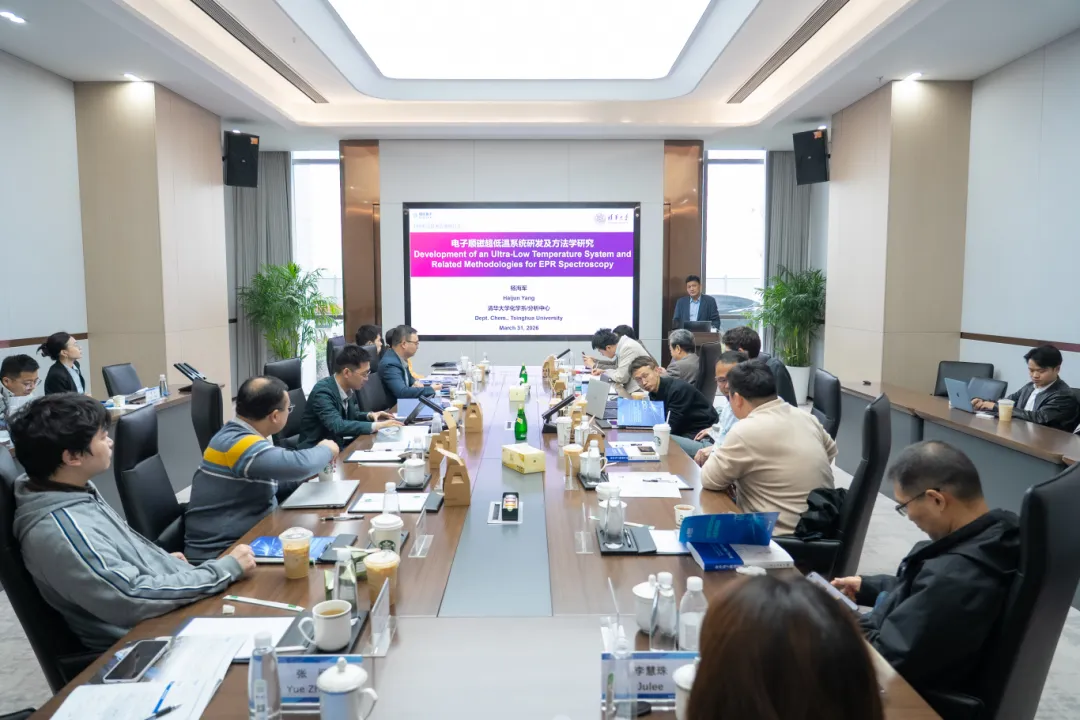
On March 31, CIQTEK successfully hosted the "EPR Frontier Technology Application Seminar" at the CIQTEK Hefei Headquarters. The main takeaway from the event is clear: high-frequency and high-field electron paramagnetic resonance (EPR) technology is rapidly becoming the ultimate solution for unlocking the micro-mechanisms of complex systems. By bringing together top EPR experts from around the world, the seminar fostered deep international collaboration and showcased how our latest multi-band EPR instruments are directly solving real-world experimental challenges in biomedical science, materials chemistry, and quantum sensing.
Sparking Innovation in Complex System Analysis
Compared to standard frequency bands, high-frequency and high-field EPR offers incredibly high resolution and sensitivity. This allows researchers to accurately capture the fine structures, dynamic behaviors, and weak interactions of complex molecules. It is a core technological tool for anyone working with biological macromolecules or advanced materials.
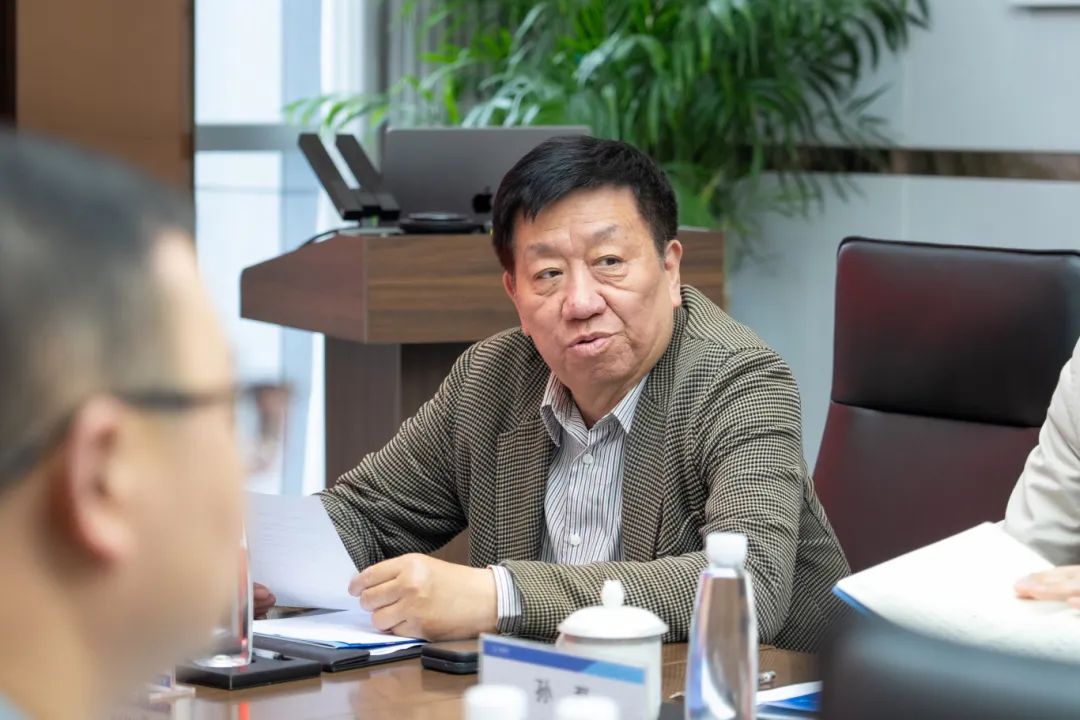
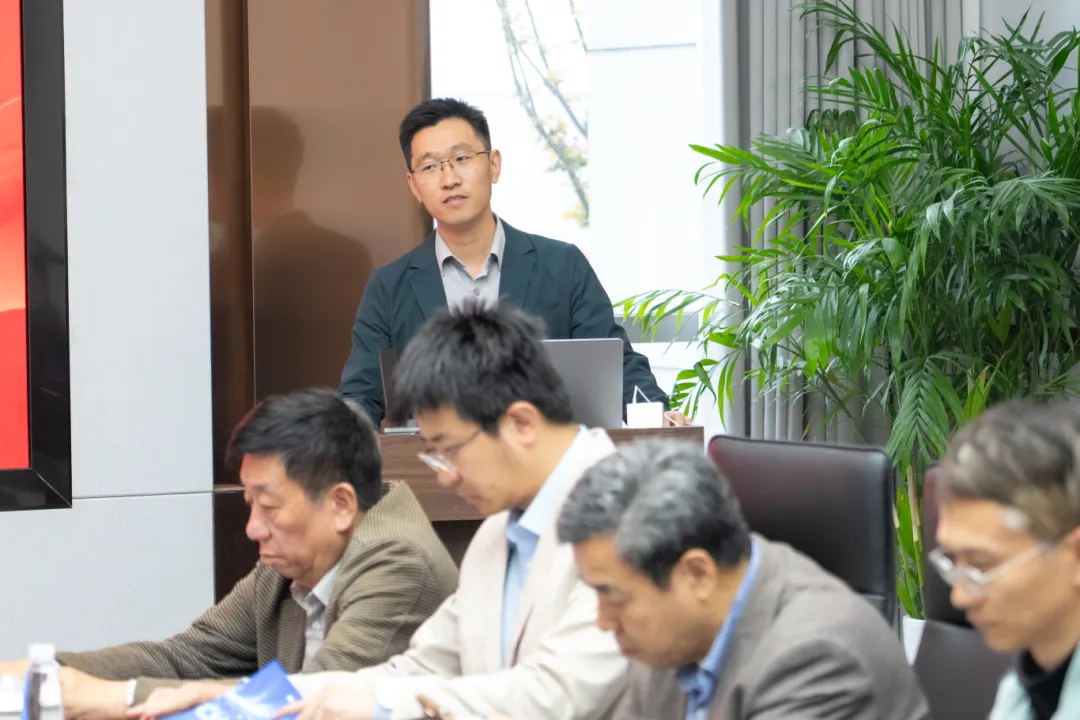
Hosted by Professor Wang Yiping from Peking University, the event attracted numerous researchers and professionals dedicated to advancing EPR technology. Dr. Xu Kebiao, Vice President of CIQTEK, delivered the opening remarks to welcome the attendees. Throughout the day, experts shared their latest findings through academic reports, focusing on instrument innovation, cross-disciplinary applications, and the development of new experimental methods.
Global Experts Unlock New EPR Applications
The seminar featured a diverse lineup of brilliant minds. The presentations covered a wide range of cutting-edge fields, fully demonstrating the massive potential and versatility of modern EPR technology:
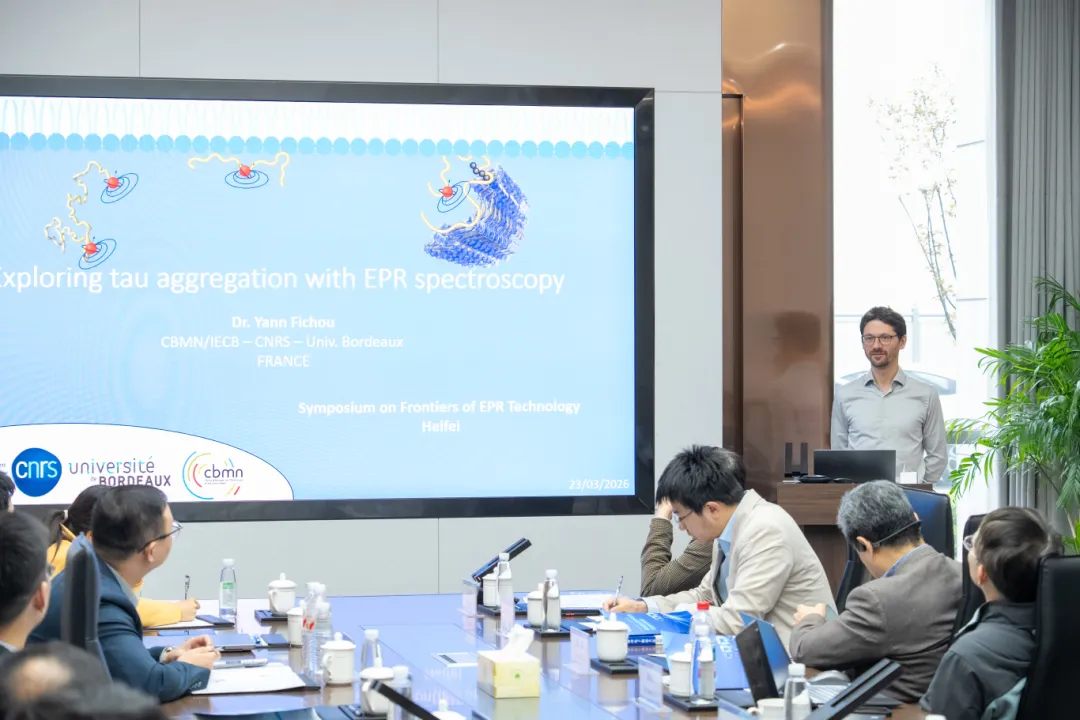
Dr.Yann Fichou, Lead Researcher at the French National Centre for Scientific Research (CNRS), presented: Exploring tau aggregation with EPR spectroscopy.
Professor Hu Bingwen from East China Normal University discussed: EPR with Imaging for Batteries.
Professor Yang Haijun from Tsinghua University detailed the: Development of an Ultra-Low Temperature System and Related Methodologies for EPR Spectroscopy.
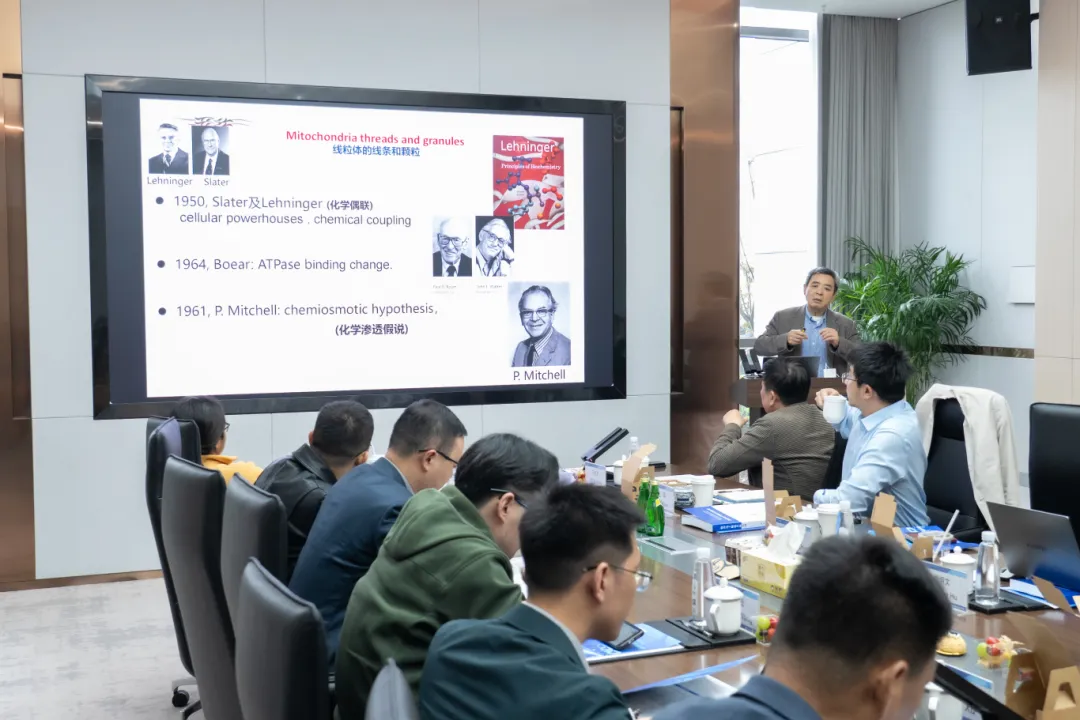
Professor Qin Yue from the Clinical Medical Research Institute, Zhejiang Provincial People's Hospital (Hangzhou Medical College), shared insights on the: Structure and Function of the Phospholipid Membrane in Neutrophils in Respiratory Burst Activation.
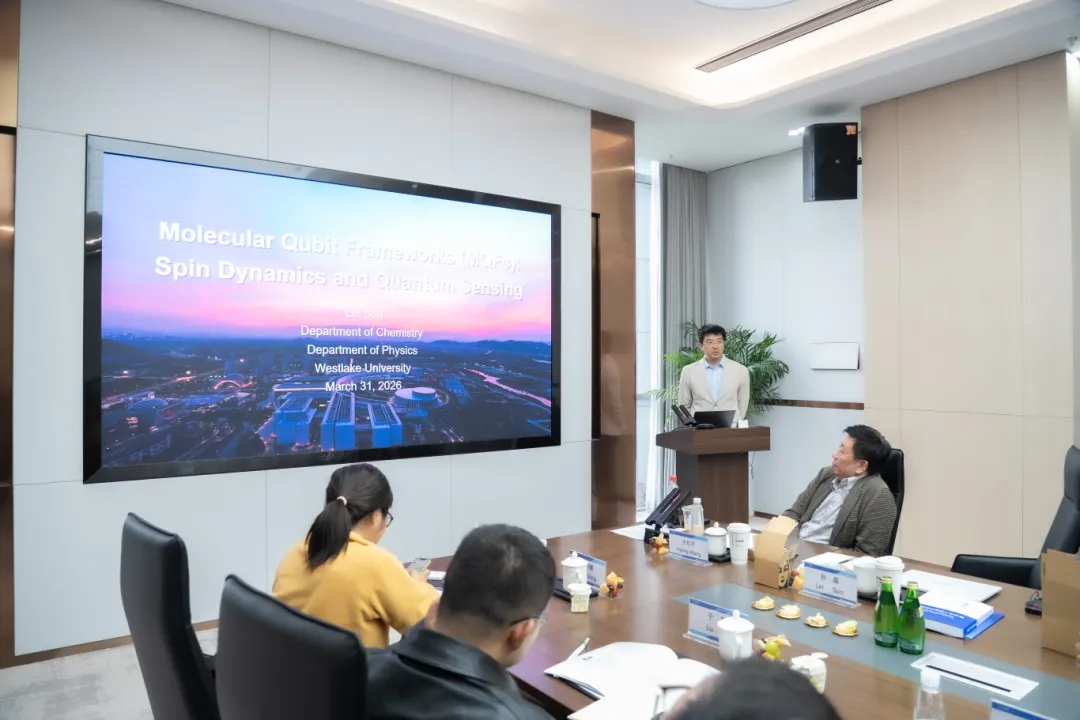
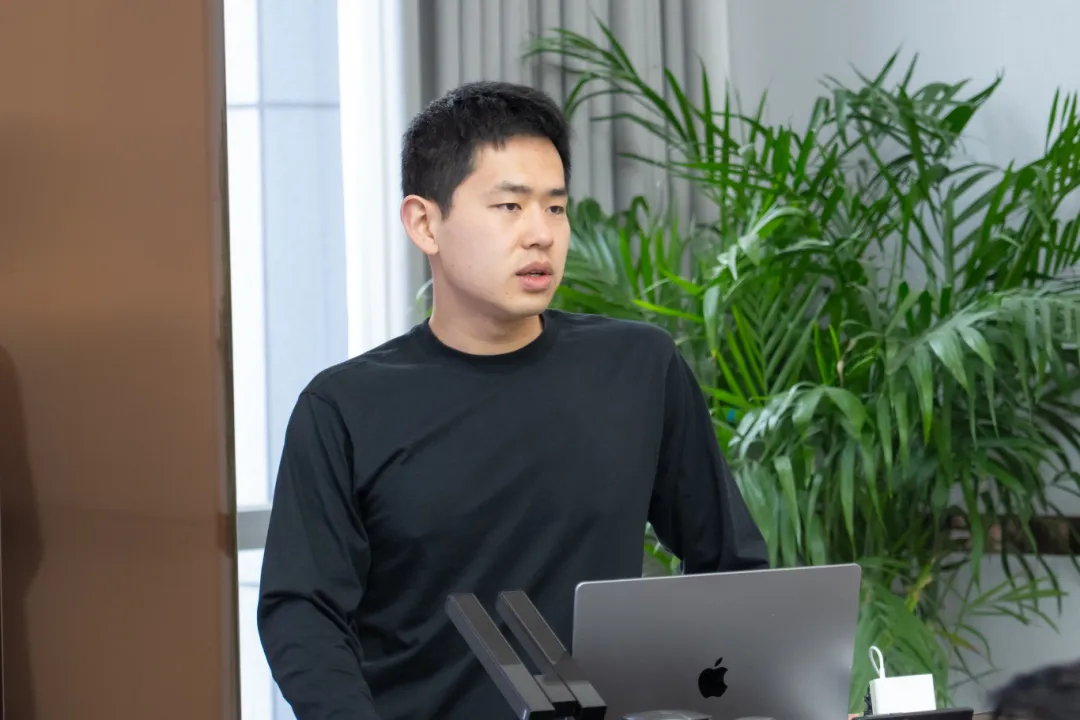
Assistant Professor Sun Lei from Westlake University explored: Molecular qubit frameworks: quantum sensing and spin dynamics.
Introducing the Next Generation X, Q, and W Band EPR
A major highlight of the seminar was the showcase of CIQTEK's latest hardware and software advancements. Dr. Sun Zhiyu, Senior Solutions Manager at CIQTEK, delivered a compelling presentation titled Next Generation EPR: Advanced X, Q, and W Band Instrumentation with AI Enhanced Spectral Processing.
Dr. Sun officially introduced the Q-band pulsed EPR spectrometer. This powerful new tool joins our existing X-band and W-band systems to form a complete, next-generation multi-band EPR product matrix.
What makes the Q-band spectrometer stand out? It utilizes a solid-state power amplifier to achieve broadband excitation with a π/2 pulse width of better than 10ns, significantly boosting both sensitivity and resolution. Furthermore, it is paired with an advanced AI model for spectral processing that boasts an accuracy rate of 92%. This seamless integration of hardware and software drastically lowers the barrier to entry for using EPR technology, making it much more accessible for researchers across chemistry, biology, and materials science.
An Inside Look at CIQTEK's R&D Strength
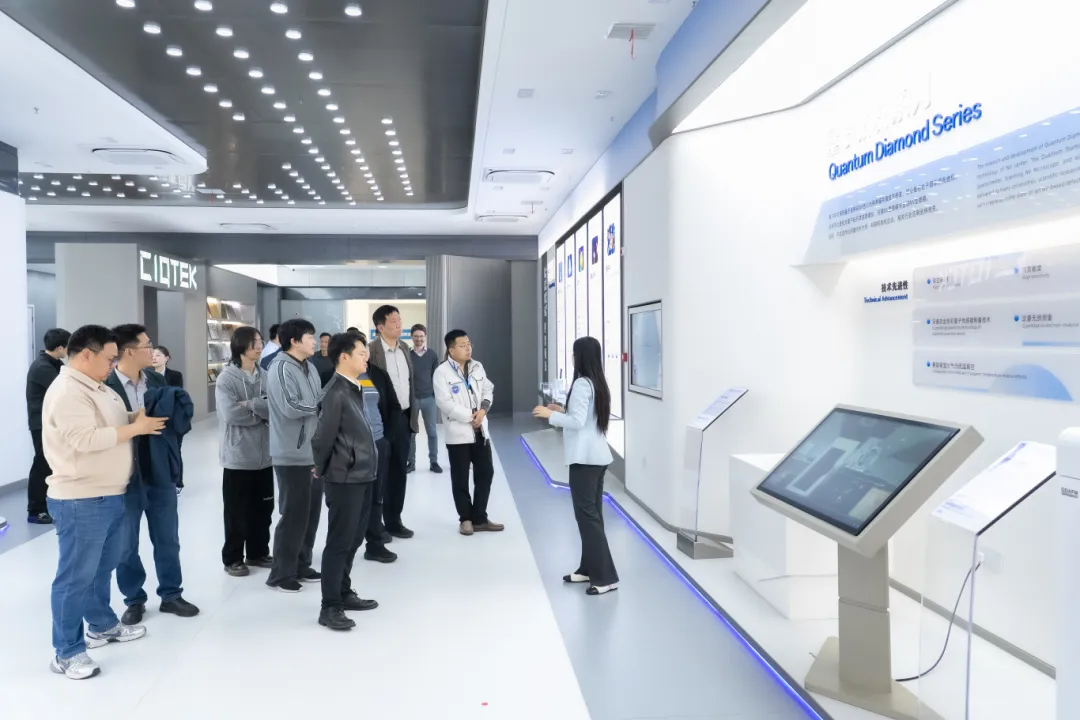
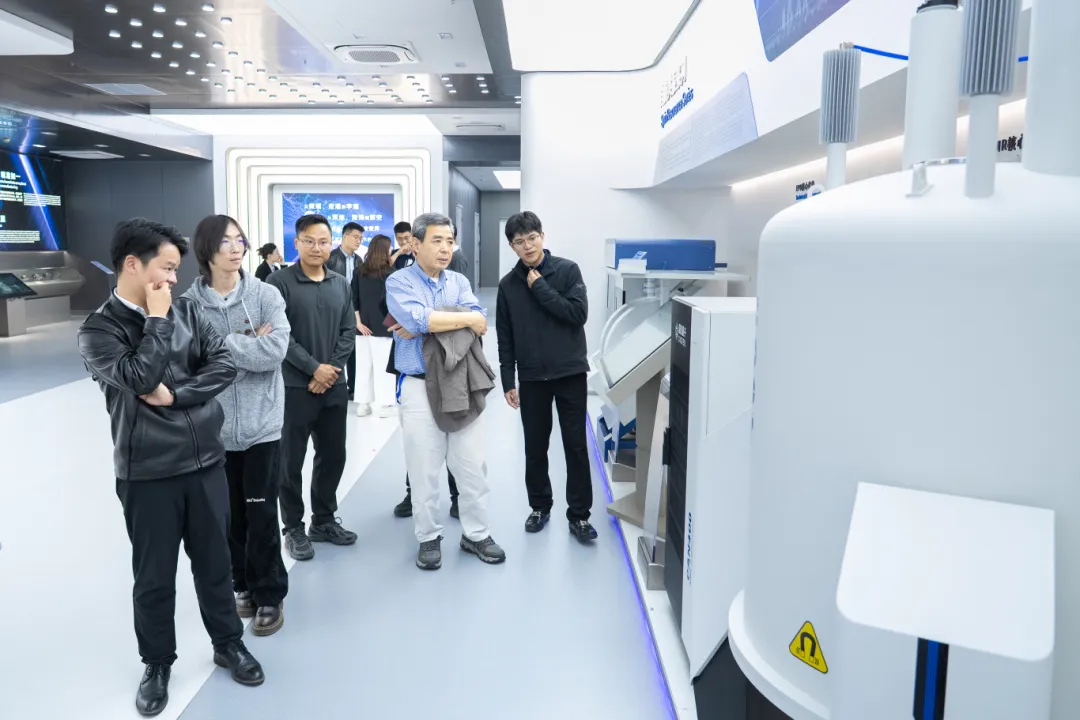
In the afternoon, the attendees took a guided tour of the CIQTEK showroom and application center. This provided a hands-on opportunity to see our EPR research and development achievements up close.
Guests engaged in lively, on-site discussions with our application engineers, exploring the core technologies behind the instruments and how they can be adapted for specific laboratory scenarios. The visiting experts highly praised the engineering quality, reliability, and technical innovation of CIQTEK's EPR solutions, offering valuable practical feedback that will help us drive future product iterations.
Driving the Global Future of EPR Technology
Electron paramagnetic resonance is at a critical stage of rapid iteration and expanding applications. This successful seminar served as a vital bridge between instrument developers and the global academic community. It not only highlighted the latest research but also actively promoted the practical application of high-frequency and high-field EPR technology worldwide.
Looking ahead, CIQTEK is fully committed to deep-rooting our R&D in EPR technology. We will continue to expand our product offerings, enhance instrument performance, and strengthen our partnerships with research institutions and experts across the globe. By focusing on the real needs of global researchers and industries, we aim to unlock the full scientific and commercial value of EPR technology.
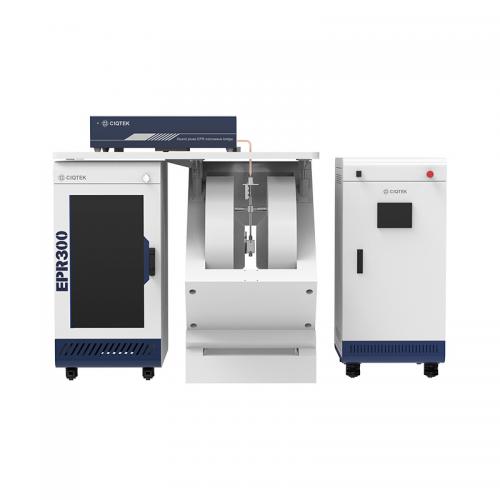
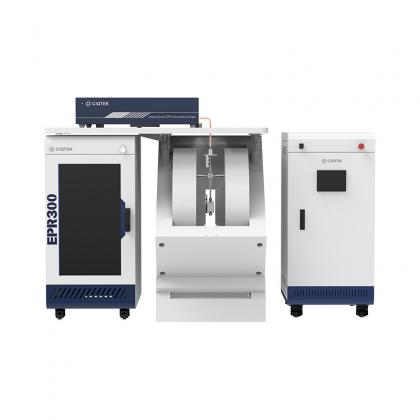
The CIQTEK EPR300 Electron Paramagnetic Resonance (EPR) Spectrometer incorporates the latest microwave technology and an ultra-high-performance signal processing unit, significantly enhancing detection sensitivity and signal-to-noise ratio to an unprecedented level. It enables precise detection and analysis of unpaired electron signals even at extremely low spin concentrations, providing a novel approach for exploring microscopic physical and chemical properties of low-concentration substances such as free radicals and metal ions. Additionally, the EPR300 supports easy upgrades from X Band to Q Band, achieving higher g-value resolution, which is advantageous for detecting anisotropic samples. The EPR300 establishes a solid experimental foundation for cutting-edge research in life sciences, materials science, chemistry, and physics, driving scientific discoveries to new milestones.
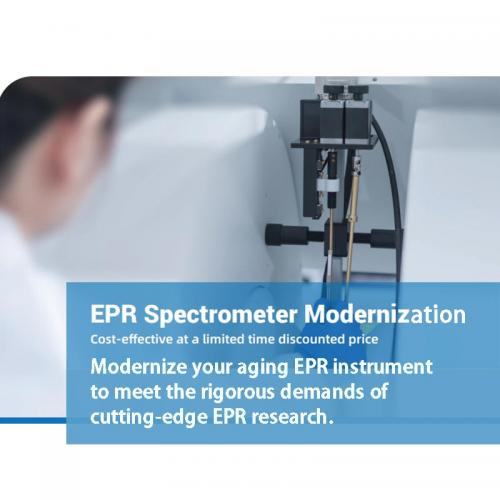
Modernize and upgrade your old EPR instrument for cutting-edge EPR research This EPR Modernization and Upgrade service will bring you features, including: ▶ Higher Sensitivity: Ultra-low noise microwave source and signal detection technology ▶ Better Resolution: Precise magnetic field control technology ▶ Excellent Compatibility: Compatible with a wide range of EPR spectrometers ▶ Fast Delivery: Complete delivery of the modernized hardware within 2-6 months ▶ High-Quality Service: On-site installation and 2-year warranty ★ Email us for more details: info@ciqtek.com
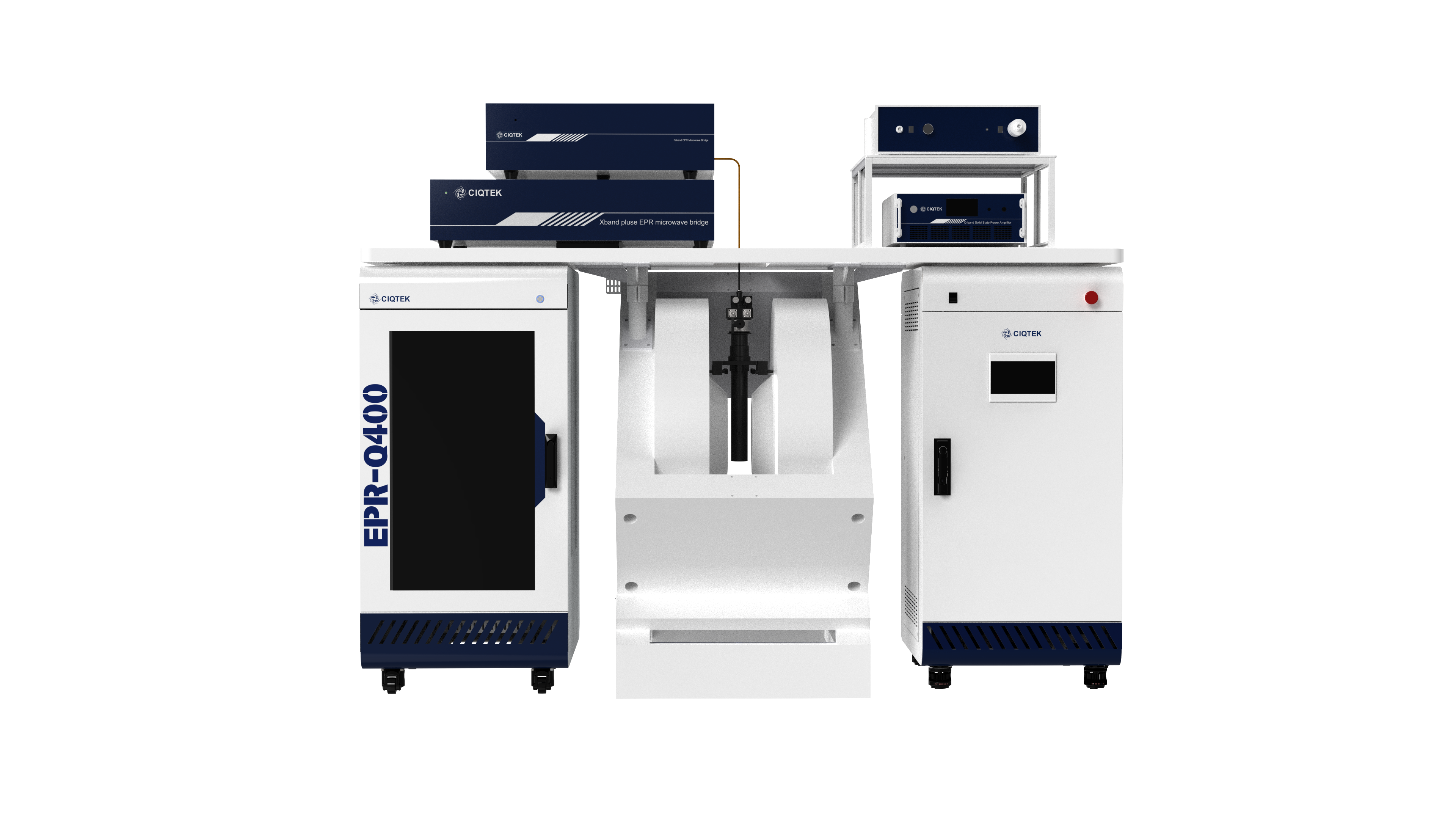
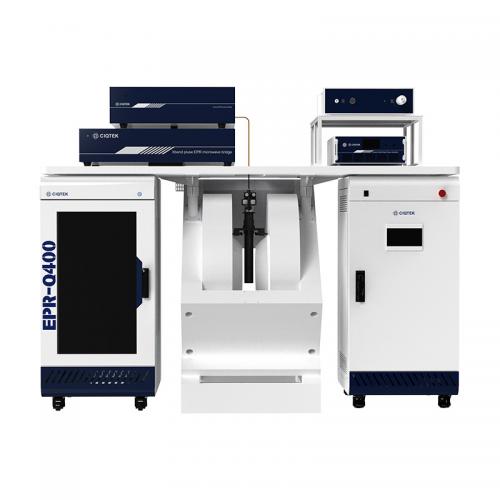
Compared with conventional X-band electron paramagnetic resonance (EPR), high-frequency EPR offers significant advantages and provides important capabilities across biological, chemical, and materials research. CIQTEK EPR-Q400 is a Q-band high-frequency pulse EPR spectrometer equipped with both continuous-wave (CW) and pulse EPR measurement modes (for CW-only experiments, the EPR-Q300 CW spectrometer is available). It supports variable-temperature experiments from 4 to 300 K. The EPR software platform is the same as the other CIQTEK X-band pulse spectrometers, making it simple and user-friendly.
CIQTEK X-band pulse electron paramagnetic resonance (EPR or ESR) spectrometer EPR100 supports both continuous-wave EPR and pulse EPR functions. In addition to supporting conventional continuous-wave EPR experiments, the EPR100 can also finely control and measure electron spin quantum states using specific pulse sequences. This enables pulse EPR tests such as T1, T2, ESEEM (electron spin echo envelope modulation), HYSCORE (hyperfine sublevel correlation), etc. The EPR100 instrument offers a comprehensive range of optional accessories, such as ENDOR, DEER, TR-EPR, and AWG modules, which fully meet the requirements of all current pulsed EPR experimental modes. When paired with a variable temperature system, it enables the detection of paramagnetic substances at ultralow temperatures. Pulsed EPR spectroscopy provides higher spectral resolution, revealing the hyperfine interactions between electrons and nuclei and delivering more detailed structural information. This capability is irreplaceable and crucial in scientific research areas such as materials science, biomolecular structure analysis, etc.