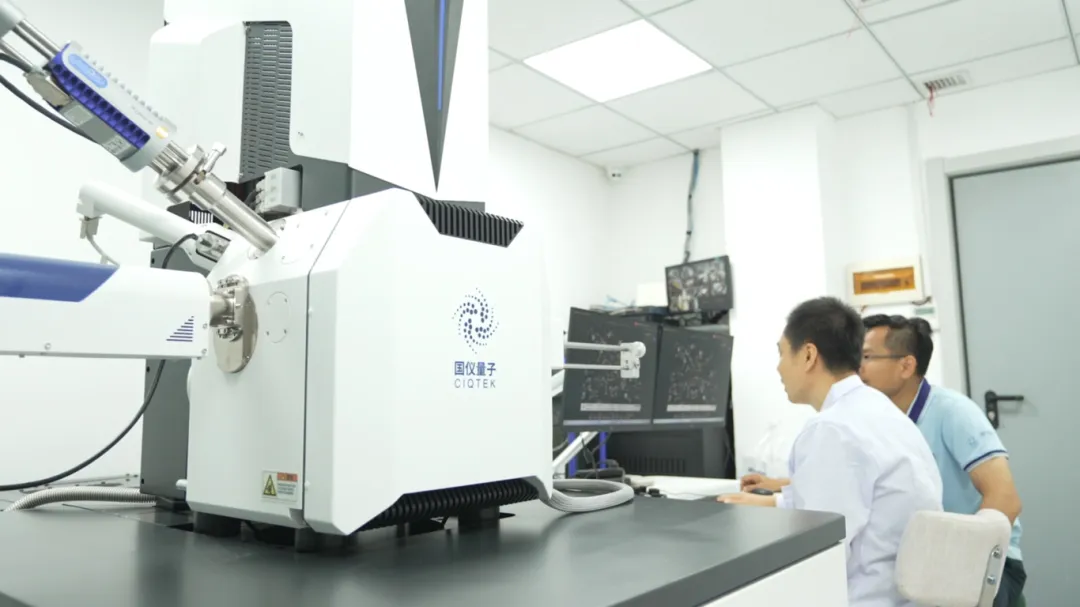
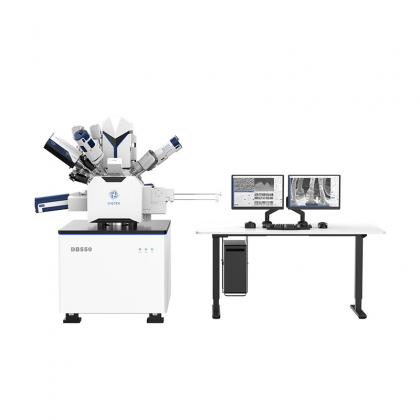
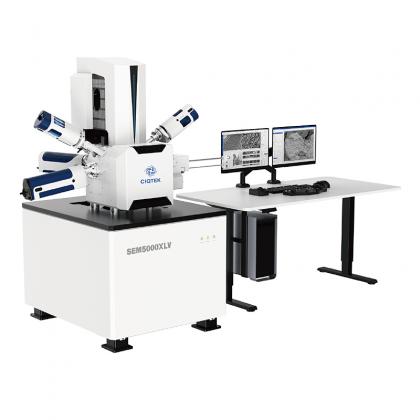
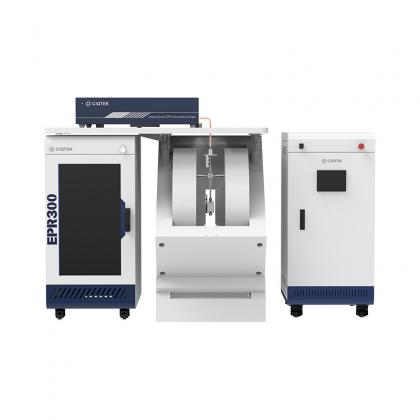
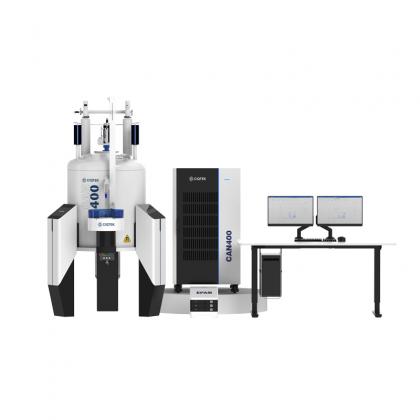
At Ningbo University’s Institute of Intelligent Medicine and Biomedical Engineering, researchers are tackling real-world medical challenges by merging materials science, biology, medicine, information technology, and engineering. The Institute has quickly become a hub for wearable and remote healthcare innovations, advanced medical imaging, and intelligent analysis, intending to turn lab breakthroughs into real clinical impact. Pushing the Frontiers of Bioprinting with CIQTEK SEM Recently, Dr. Lei Shao, Executive Vice Dean of the Institute, shared highlights of his research journey and how CIQTEK's cutting-edge SEM is fueling his team’s discoveries. CIQTEK SEM at Ningbo University’s Institute of Intelligent Medicine and Biomedical Engineering Printing the Future: From Miniature Hearts to Vascular Networks Since 2016, Dr. Shao has been pioneering biomanufacturing and 3D bioprinting, with the goal of engineering living, functional tissues outside the human body. His team’s work spans from 3D-printed miniature hearts to complex vascularized structures, with applications in drug screening, disease modeling, and regenerative medicine. A 3D-printed miniature heart Backed by funding from the National Natural Science Foundation of China and local research agencies, his lab has introduced several breakthroughs: Smart bioprinting strategies: Using fluid rope-coiling effects with coaxial bioprinting to fabricate microfibers with controlled morphology, enabling the creation of vascular organoids. Cryopreservable cell microfibers: Developing standardized, scalable, and cryopreservable cellular microfibers through coaxial bioprinting, with high potential for 3D cell culture, organoid fabrication, drug screening, and transplantation. Sacrificial bioinks: Printing mesoscopic porous networks using sacrificial microgel bioinks, building nutrient pathways for effective oxygen/nutrient delivery. Complex vascular systems: Constructing complex vascular networks with coaxial bioprinting while inducing in-situ endothelial cell deposition, solving challenges in vascularization of complex structures. Anisotropic tissues: Creating anisotropic tissues using shear-oriented bioinks and pre-shearing printing methods. High-cell-density constructs: Proposing an original liquid-particle support bath printing technique for high-cell-density bioinks, achieving lifelike bioactive tissues while overcoming the long-standing trade-off between printability and cell viability in extrusion-based bioprinting. These advances are paving the way toward functional, transplantable tissues, and potentially even engineered organs. Accelerating Discovery with CIQTEK SEM With science advancing rapidly, biomedical research stands at the forefront of innovation. Higher efficiency often leads to greater breakthroughs. According to Dr. Shao, scanning electron microscopy (SEM) is one of the most indispensable scientific instruments at the Institute. Since adopt...
View More“CIQTEK field emission scanning electron microscope meets world-leading standards in all major specifications, offers a long warranty, and provides highly responsive after-sales support. After two years of use, we are confident that the system delivers lasting scientific value and performance at a highly competitive cost.”— Dr. Zhencheng Su, Senior Engineer and head of the Molecular Biology Lab, Institute of Applied Ecology, Chinese Academy of Sciences In Shenyang, Liaoning Province, stands a prestigious research institute with a history dating back to 1954. Over the past 70 years, it has grown into a national powerhouse in ecological research — the Institute of Applied Ecology (IAE), part of the Chinese Academy of Sciences (CAS). The institute focuses on forest ecology, soil ecology, and pollution ecology, making significant contributions to the national ecological civilization. In 2023, as the institute approached a critical phase of equipment upgrades, it made a strategic decision that would not only reshape its research workflow but also establish a model case for the application of CIQTEK scanning electron microscopes (SEM) in the field of biology. IAE CAS: Advancing Ecological Civilization with Science IAE CAS operates three major research centers in forestry, agriculture, and environmental studies. Dr. Su recalls the development of the institute's shared technical service platforms. Established in 2002, the Molecular Biology Laboratory is a core facility within IAE's Public Technology Center. Over the past two decades, the lab has acquired more than 100 sets of large-scale general-purpose instruments, valued at over 7 million USD. It supports internal research needs and also serves the public by offering testing services, including isotopic and tracer analysis, biological structure identification, trace element ecological analysis, and molecular biology services. Affordable Brilliance: CIQTEK SEMs Deliver Beyond Expectations For biological research, scanning electron microscopy is indispensable. “Our electron microscopy lab handles a wide range of biological samples, including plant and animal tissues, microbial cells, fungal spores, and viruses, as well as material samples like mineral particles, microplastics, and biochar,” Dr. Su explained. The FE-SEM is capable of producing highly detailed 3D surface structures of solid-state samples. With a scanning transmission detector, it can also reveal internal structures of thin samples. In addition, the built-in high-performance EDS (energy-dispersive X-ray spectroscopy) enables qualitative and semi-quantitative elemental analysis on sample surfaces. By 2023, their previous SEMs (an environmental SEM and a benchtop SEM) could no longer meet the growing demand for higher resolution and imaging precision. A new FE-SEM became necessary. “After comprehensive evaluation and expert reviews, CIQTEK SEM5000 Series was selected through a competi...
View MoreProfessor Lai Yuekun’s team from Fuzhou University has conducted innovative research addressing the urgent demand for strong adhesive hydrogels in fields such as wearable sensors, soft robotics, tissue engineering, and wound dressings. Currently, interface adhesive materials face two major technical challenges: firstly, difficulty in achieving rapid and reversible switching between adhesive and non-adhesive states; secondly, poor adhesion performance in multi-liquid environments. Recently, the team conducted in-depth studies using the CIQTEK scanning electron microscope. The PANC/T hydrogel was synthesized from acrylamide (AAm), N-isopropylacrylamide (NIPAM), a micellar solution composed of sodium dodecyl sulfate/methyl octadecyl methacrylate/sodium chloride (SDS/OMA/NaCl), and phosphotungstic acid (PTA). Dynamic interactions between PNIPAM chains and SDS enabled on-demand adhesion and separation. Further soaking in Fe³⁺ solution produced the PANC/T-Fe hydrogel, which achieves strong adhesion in various wet environments. This resulted in the development of an intelligent interface adhesive hydrogel with rapid responsiveness, capable of controlled adhesion and separation under different humidity conditions. The research was published in Advanced Functional Materials under the title "Temperature-Mediated Controllable Adhesive Hydrogels with Remarkable Wet Adhesion Properties Based on Dynamic Interchain Interactions." Synthesis and Structural Characteristics of Controllable Adhesive Hydrogel PANC/T-Fe hydrogel is synthesized by copolymerization of hydrophilic AAm, amphiphilic NIPAM, and hydrophobic OMA. PTA acts as a crosslinker, forming hydrogen bonds with amino groups on polymer chains to establish a stable network. The team discovered that interactions between NIPAM and SDS are critical to the hydrogel’s temperature-sensitive adhesion. At lower temperatures, SDS crystallizes and adheres to PNIPAM chains, hindering adhesive functional groups from interacting with substrates and reducing adhesion. As temperature rises, SDS crystals melt, improving contact between adhesive groups and substrates and significantly increasing adhesion. PTA enhances adhesion at higher temperatures by physically interacting with polymer amino groups; this interaction weakens upon heating, softening the hydrogel and generating more adhesive sites. The dynamic regulation between polymer chains enables reversible, on-demand adhesion. Figure 1. Hydrogel synthesis and mechanism of reversible wet adhesion. Temperature Regulation Mechanism of Adhesion Performance Through comparative experiments, the team confirmed that the synergistic effect of NIPAM and the micellar solution is key to the hydrogel’s temperature-sensitive adhesion. Differential Scanning Calorimetry (DSC) results indicate the temperature response is unrelated to NIPAM’s Lower Critical Solution Temperature (LCST), but influenced by NIPAM-SDS int...
View MoreFrom rich peanut oil to fragrant olive oil, edible vegetable oils enrich our diets and provide diverse nutritional benefits. With rising living standards and increasing oil consumption, ensuring the quality and safety of edible oils has become critical. Using Electron Paramagnetic Resonance (EPR) to Evaluate Oil Quality EPR technology offers unique advantages: no sample pretreatment, non‑destructive, in‑situ, and highly sensitive. It is increasingly used in edible oil quality monitoring. EPR can detect unpaired electrons in oil molecules, which are early markers of oxidation. Oil oxidation is essentially a free radical chain reaction, producing radicals such as ROO·, RO·, and R·. By identifying these radicals, EPR allows scientific evaluation of oxidation level and stability before visible or sensory changes appear. This early detection is critical for preventing degradation caused by light, heat, oxygen exposure, or metal catalysts. Unsaturated fatty acids are particularly prone to oxidation, even at room temperature, which affects flavor, nutrition, and shelf life. Benefits of using EPR for oil stability: Ensures safer, fresher edible oil for consumers. Guides effective antioxidant use. Supports quality control in oil‑containing foods. Extends product shelf life. Thus, EPR technology provides a direct, sensitive, and non‑destructive approach to monitor edible oil quality, safeguarding public health. Practical Applications of EPR in Oil Monitoring Principle During lipid oxidation, various free radicals are generated. These radicals are highly reactive and short-lived, so spin trapping is often used. Spin trapping agents (like PBN) react with unstable radicals to form stable radical adducts that EPR can detect reliably. Application 1: Evaluating Oxidative Stability During each step of production, the free radical concentration can be measured, and the gradual changes in oxidation can be tracked. This allows for a precise determination of the product’s antioxidant capacity. For example, when PBN is used to trap radicals generated during peanut oil oxidation, stable radical adducts form. The EPR spectra of these adducts provide direct insight into oil oxidation. The stronger the EPR signal, the higher the free radical content, and the more oxidized the oil is. EPR spectra also reveal the effects of external factors, such as temperature. As temperature increases, the EPR signal intensity of radicals rises, indicating that higher temperatures accelerate oil oxidation. Application 2: Assessing Antioxidant Effectiveness This study compares the effects of different antioxidants on the EPR signal intensity of peanut oil. Various antioxidants were added to the oil, including VE, BHT, BHA, a combination of BHA + BHT, and a combination of TBHQ + CA. As shown in the Figure, the Y-axis represents the spin concentration. Samples with added antioxidants show significantly lower spin signa...
View MoreThe main pollutants in water bodies include pharmaceuticals, surfactants, personal care products, synthetic dyes, pesticides, and industrial chemicals. These pollutants are challenging to remove and can adversely affect human health, including the nervous, developmental, and reproductive systems. Therefore, protecting water environments is of utmost importance. In recent years, advanced oxidation processes (AOPs) such as Fenton-like reactions, persulfate activation, and UV-light-induced AOPs (e.g., UV/Cl2, UV/NH2Cl, UV/H2O2, UV/PS) as well as photocatalysts (e.g., bismuth vanadate (BiVO4), bismuth tungstate (Bi2WO6), carbon nitride (C3N4), titanium dioxide (TiO2) have gained attention in the field of water treatment and environmental remediation. These systems can generate highly reactive species such as hydroxyl radicals (•OH), sulfate radicals (•SO4-), superoxide radicals (•O2-), singlet oxygen (1O2), etc. These techniques significantly enhance the removal rates of organic pollutants compared to conventional physical and biological methods. The development of these water treatment technologies greatly benefits from the assistance of Electron Paramagnetic Resonance (EPR) technology. CIQTEK offers the desktop Electron Paramagnetic Resonance spectrometer EPR200M and the X-band continuous-wave Electron Paramagnetic Resonance spectrometer EPR200-Plus, which provide solutions for studying photocatalysis and advanced oxidation processes in water treatment. Application Solutions of Electron Paramagnetic Resonance (EPR) technology in water treatment research - Detect, identify, and quantify reactive species such as •OH, •SO4-, •O2-, 1O2, and other active species generated in photocatalytic and AOPs systems. - Detect and quantify vacancies/defects in remediation materials, such as oxygen vacancies, nitrogen vacancies, sulfur vacancies, etc. - Detect doped transition metals in catalytic materials. - Verify the feasibility and assist in optimizing various parameters of water treatment processes. - Detect and determine the proportion of reactive species during water treatment processes, providing direct evidence for pollutant degradation mechanisms. Application Cases of Electron Paramagnetic Resonance (EPR) technology in water treatment research Case 1: EPR in UV/ClO2-based advanced oxidation technology - EPR study of the degradation process of fluoroquinolone antibiotics in a UV-mediated AOPs system. - Degradation of pharmaceuticals and personal care products (PPCPs) in water by chlorine dioxide under UV conditions. - EPR detection and qualitative analysis of •OH and singlet oxygen as active species in the system. - Increase in •OH and 1O2 concentrations with longer irradiation times, promoting antibiotic degradation. - EPR detection of •OH and 1O2 co...
View MoreIn the fascinating world of nature, lizards are renowned for their remarkable ability to change colors. These vibrant hues not only captivate our attention but also play a crucial role in the survival and reproduction of lizards. But what scientific principles underlie these dazzling colors? This article, in conjunction with the CIQTEK Field Emission Scanning Electron Microscope (SEM) product, aims to explore the mechanism behind the color-changing ability of lizards. Section 1: Lizard Coloration Mechanism 1.1 Categories based on formation mechanisms: Pigmented Colors and Structural Colors In nature, animal colors can be divided into two categories based on their formation mechanisms: Pigmented Colors and Structural Colors. Pigmented Colors are produced by changes in the concentration of pigments and the additive effect of different colors, similar to the principle of "primary colors." Structural Colors, on the other hand, are generated by the reflection of light from finely structured physiological components, resulting in different wavelengths of reflected light. The underlying principle for structural colors is primarily based on optical principles. 1.2 Structure of Lizard Scales: Microscopic Insights from SEM Imaging The following images (Figures 1-4) depict the characterization of iridophores in lizard skin cells using CIQTEK SEM5000Pro-Field Emission Scanning Electron Microscope. Iridophores exhibit a structural arrangement similar to diffraction gratings, and we refer to these structures as crystalline plates. The crystalline plates can reflect and scatter light of different wavelengths. Section 2: Environmental Influence on Color Change 2.1 Camouflage: Adapting to the Surroundings Research has revealed that changes in the size, spacing, and angle of the crystalline plates in lizard iridophores can alter the wavelength of light scattered and reflected by their skin. This observation is of significant importance for studying the mechanisms behind color change in lizard skin. 2.2 High-Resolution Imaging: Characterizing lizard skin cells Characterizing lizard skin cells using a Scanning Electron Microscope allows for a visual examination of the structural characteristics of crystalline plates in the skin, such as their size, length, and arrangement. Figures1. ultrastructure of lizard skin/30 kV/STEM Figures2. ultrastructure of lizard skin/30 kV/STEM Figures3. ultrastructure of lizard skin/30 kV/STEM Figures4. ultrastructure of lizard skin/30 kV/STEM Section 3: Advances in Lizard Coloration Research with CIQTEK Field Emission SEM The "Automap" software developed by CIQTEK can be used to perform large-scale macro-structural characterization of lizard skin cells, with a maximum coverage of up to a centimeter scale. Thus, ...
View MoreUse a Scanning Electron Microscope (SEM) to look at cat hair Hair is a derivative of the stratum corneum of the skin epidermis, which is also one of the characteristics of mammals. The hair of all animals has its basic shape and structure, with many differentiated hair morphologies (such as length, thickness, color, etc.). That must be closely related to its microstructure. Therefore, the microstructure of hair has also been the focus of research for many years. In 1837, Brewster used optical microscopy for the first time to discover the specific structure on the surface of hair, marking the beginning of the study of hair microstructure. In the 1980s, with the widespread application of electron microscopes in the study of hair microstructure, the study of hair microstructure was further improved and developed. Under the Scanning Electron Microscope, the image of hair structure is clearer, more precise, and has a strong three-dimensional sense, high resolution, and can be observed from different angles. Therefore, Scanning Electron Microscope has become widely used in the observation of animal hair. Microstructure of Cat Hair under Scanning Electron Microscope Cats are a widely raised pet. Most species have soft fur, which makes people quite fond of them. So, what information can we obtain from SEM images of cat hair? With questions in mind, we collected hair from different body parts of cats and used a Tungsten Filament Scanning Electron Microscope to observe the microstructure of the hair. According to the characteristics of hair surface structure and morphology, it can be divided into four categories: finger-like, bud-like, wavy, and squamous. The picture below shows the hair of a British shorthair cat. As can be seen from the scanning electron microscope image, its surface has an obvious wavy structure. The same surface structural units are the hair of dogs, roe deer, cows, and donkeys. Their diameters are generally between 20 and 60 μm. The width of the wavy unit is almost transverse to the entire circumference of the hair shaft, and the axial distance between each wavy unit is about 5 μm. The diameter of the British shorthair cat hair in the picture is about 58 μm. After zooming in, you can also see the surface hair scale structure. The width of the scales is about 5 μm, and the aspect ratio is about 12:1. The aspect ratio of the corrugated unit structure is small, and the aspect ratio is related to the flexibility of the hair. The larger the aspect ratio, the better the softness of the hair, and its stiffness is not easy to break. There is a certain gap between the hair scales and the hair shaft. A larger gap can store air, slow down the airflow speed, and reduce the heat exchange speed. Therefore, different surface unit shapes also determine the difference in thermal insulation performance. British shorthair cat hair surface /10kV/ETD British shorthair cat hair surface /10...
View MoreThe lizard skin cells used in this paper were provided by the research group of Che Jing, Kunming Institute of Zoology, Chinese Academy of Sciences. 1. Background Lizards are a group of reptiles that live on the earth with different body shapes and in different environments. Lizards are highly adaptable and can survive in a wide range of environments. Some of these lizards also have colorful colors as protection or for courtship behavior. The development of lizard skin coloration is a very complex biological evolutionary phenomenon. This ability is widely found in many lizards, but how exactly does it arise? In this article, we will take you to understand the mechanism of lizard discoloration in conjunction with CIQTEK Field Emission Scanning Electron Microscope products. 2. CIQTEK Field Emission Scanning Electron Microscope As a high-end scientific instrument, the scanning electron microscope has become a necessary characterization tool in the process of scientific research with its advantages of high resolution and wide range of magnification. In addition to obtaining information about the surface of the sample, the internal structure of the material can be obtained by applying transmission mode (Scanning transmission electron microscopy (STEM)) with the scanning transmission detector accessory on the SEM. In addition, compared with traditional transmission electron microscopy, the STEM mode on the SEM can significantly reduce the damage of the electron beam on the sample due to its lower accelerating voltage and greatly improve the image lining, which is especially suitable for structural analyses of soft material samples such as polymers and biological samples. CIQTEK SEMs can be equipped with this scanning mode, among which SEM5000, as a popular CIQTEK field emission model, adopts advanced barrel design, including high-voltage tunneling technology (SuperTunnel), low aberration non-leakage objective design, and has a variety of imaging modes: INLENS, ETD, BSED, STEM, etc., and the resolution of the STEM mode is up to 0.8nm@30kv. Animal body colors in nature can be divided into two categories according to the formation mechanism: pigmented colors and structural colors. Pigmented colors are produced through changes in the content of pigment components and the superposition of colors, similar to the principle of "three primary colors"; whereas structural colors are formed by reflecting light through fine physiological structures to produce colors with different wavelengths of reflected light, which is based on the principle of optics. The following figures (Figures 1-4) show the results of using the SEM5000-STEM accessory to characterize the iridescent cells in the skin cells of lizards, which have a structure similar to a diffraction grating, which we will tentatively call a crystal sheet, and which is capable of reflecting an...
View More
No. 1969, Kongquetai Road, High-tech Zone, Hefei, Anhui, China
+8615156059133
+8613083191369
info@ciqtek.com
Sitemap | XML | Blog | Privacy Policy | IPv6 network supported