


What if you could simply tell your SEM what you need, then let it handle the repetitive work?
CIQTEK has launched SEM Agent, an AI-assisted platform designed to connect SEM imaging, analysis, and reporting in one workflow. Users can describe a task by text or voice, and the system can call more than 40 tools to carry out steps from area selection and image acquisition to data analysis and report generation.
The idea is simple: reduce the time spent adjusting settings, searching for areas of interest, moving data between software, and organizing reports, while keeping the researcher in control of the final scientific judgment.
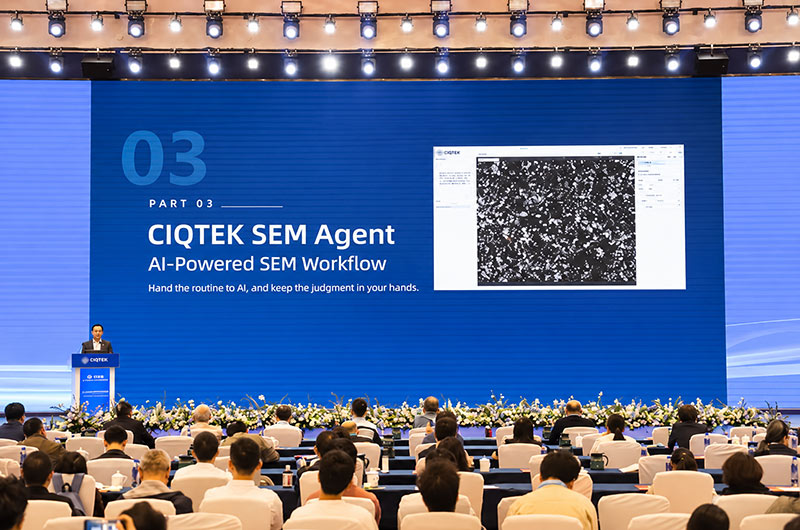
Figure 1. CIQTEK SEM Agent Unveiled at the 2026 Electron Microscopy Conference
Why SEM Workflows Need More Than Better Hardware
A powerful microscope does not automatically mean a more efficient workflow.
In everyday SEM work, researchers may still spend a large amount of time adjusting parameters, locating samples, organizing images, moving results between different software tools, and preparing reports.
Many successful methods also remain tied to individual experience. When a new sample or task appears, the workflow often has to be rebuilt or adjusted manually. SEM Agent is designed to connect the microscope, analysis tools, and workflow knowledge around the task the user actually wants to complete.
One Request, One Connected SEM Workflow
Instead of operating each step separately, users can describe the task they want to complete.
For example, a user can ask SEM Agent to image a lithium iron phosphate sample from 2,000× to 100,000× magnification, organize the images, analyze the results, and prepare a sample report.
The system can then check microscope status and imaging conditions, adjust brightness, focus and stigmation, switch between magnifications, collect images, evaluate image quality, analyze sample features, save the results, and organize them into a report.
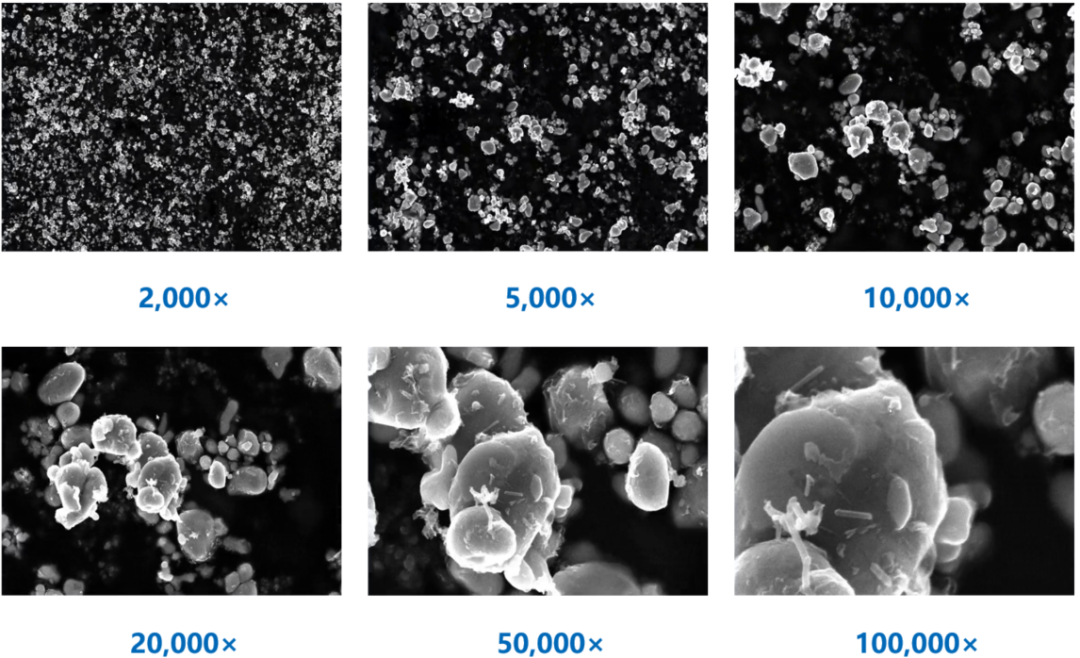
Figure 2. Automated Multi-Magnification Imaging of a Lithium Iron Phosphate Sample
Large-area acquisition is another typical task. In one chip demonstration, SEM Agent collected 70 fields of view in a 7 × 10 grid at 1,000× magnification and stitched the images into a larger overview. Each local image remained traceable to its original position.
This helps reduce repetitive stage movement and the time normally spent sorting and organizing images after acquisition.
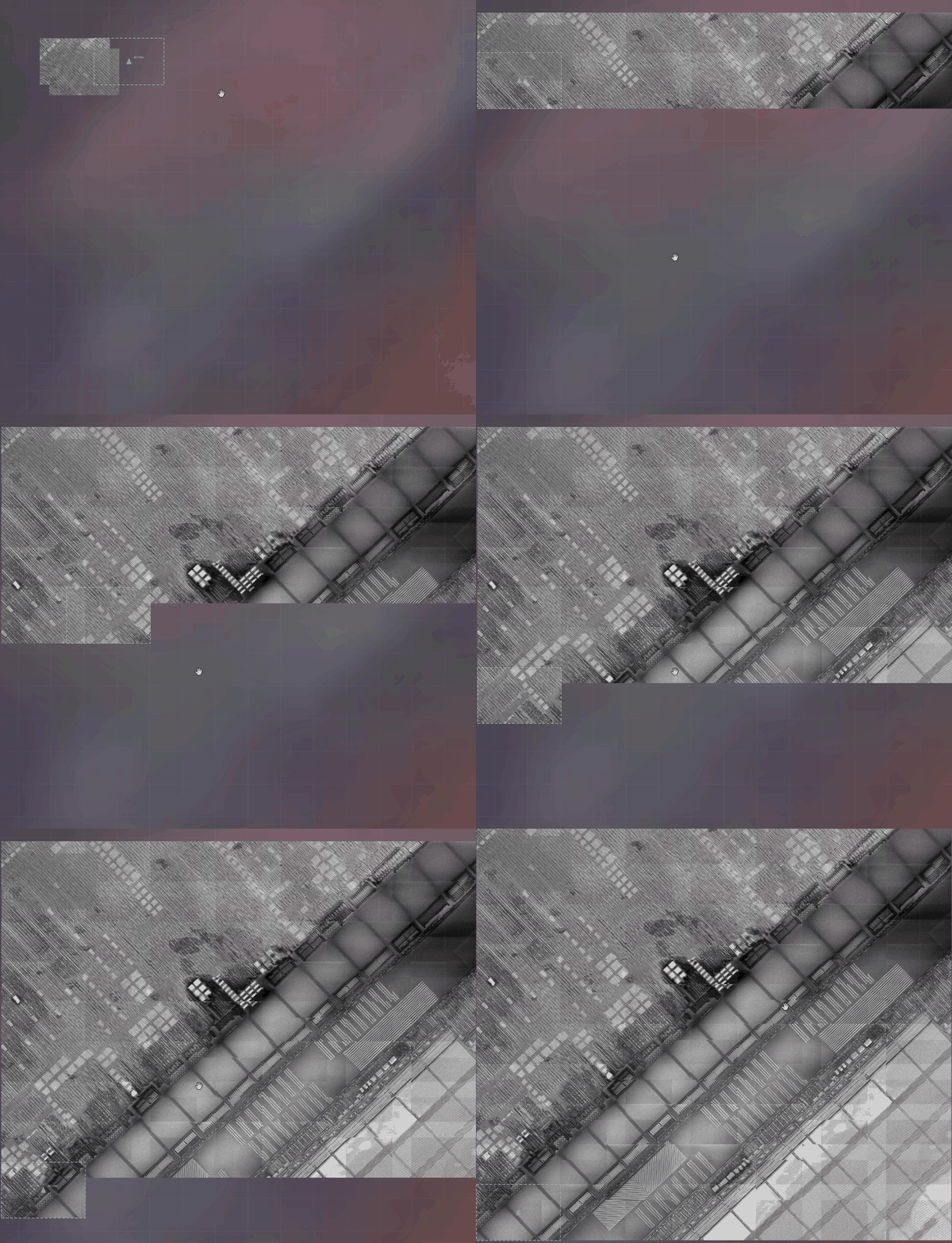
Figure 3. Large-Area Automated Acquisition and Image Stitching
Image Analysis Built Around the Sample
SEM Agent is not limited to image acquisition. Users can also describe what they want to measure or identify, and the system can organize the corresponding analysis workflow.
Current applications include particle size analysis, diamond wire measurement, nickel layer inspection, and defect analysis. Depending on the task, the workflow can include segmentation, measurement, statistics, and visualization.
The goal is to reduce repetitive manual tracing, counting, and result organization. Original SEM images are retained so users can review the analysis themselves.
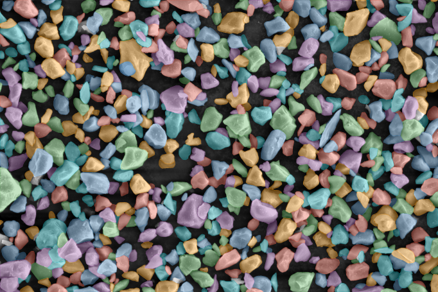
Figure 4. Automated Particle Size and Distribution Analysis
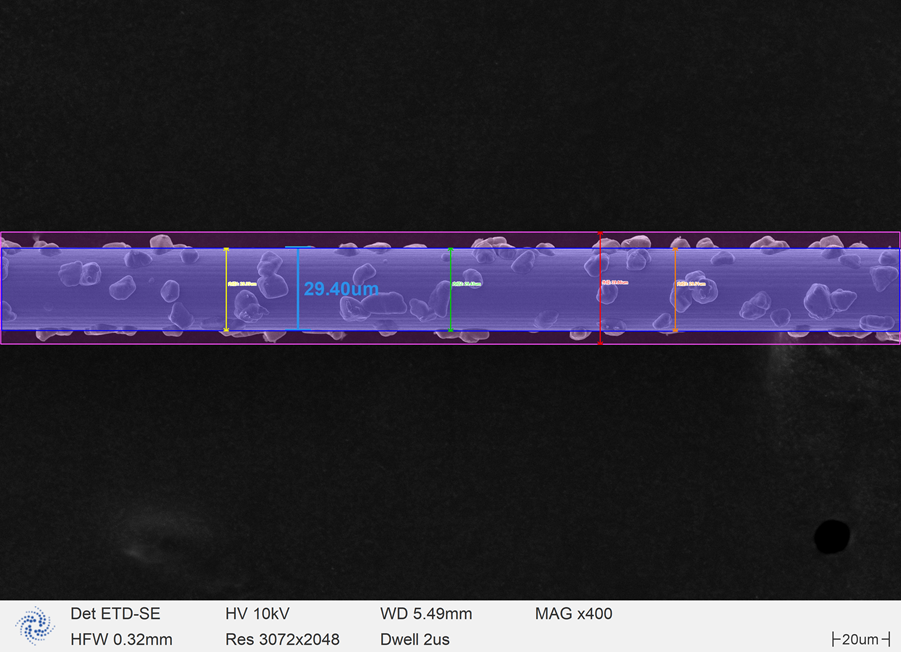
Figure 5. Automated Diamond Wire Diameter Measurement
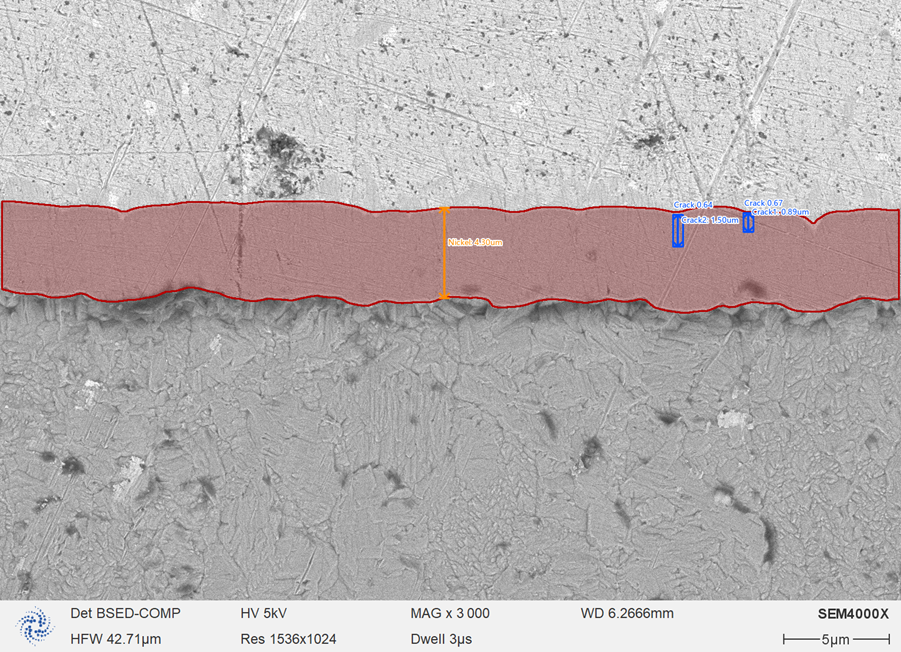
Figure 6. Nickel Layer Inspection and Defect Analysis
Turning Successful Methods Into Reusable Skills
A good SEM workflow often depends on experience. SEM Agent introduces reusable Skills to help turn that experience into a method that can be called again.
A Skill can include the conditions where a method applies, operating steps, scripts and models, and supporting reference information. Once a method has been proven, similar samples can be handled with less repeated setup.
In a PCB nickel-layer imaging example, the Agent can load the relevant Skill, identify the nickel layer, locate the next target area, continue tracking along the layer, and repeat the identification, positioning, imaging, and analysis process until the task is complete.
The results can then be organized into a sample analysis report.
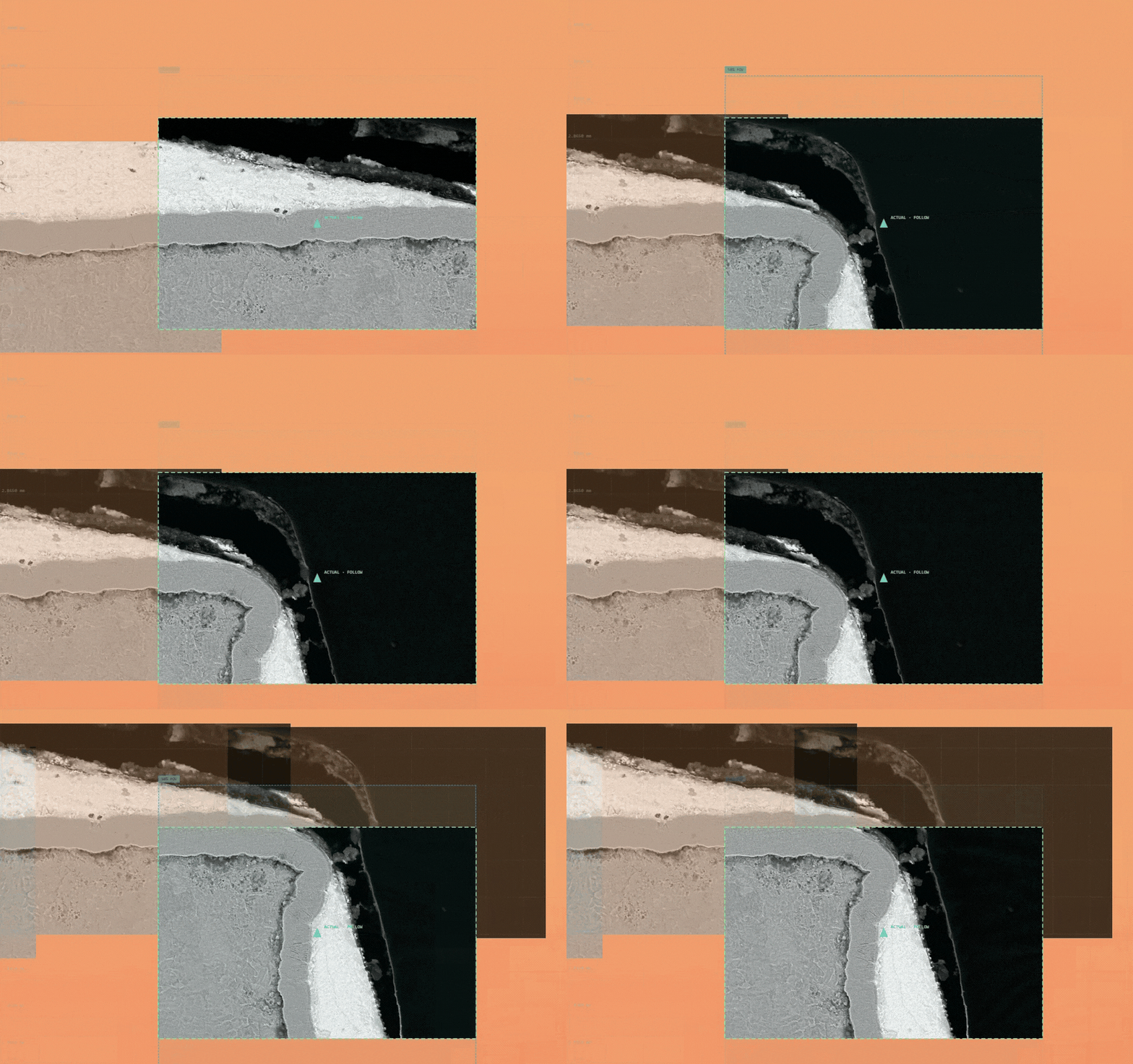
Figure 7. Skill-Based Nickel Layer Tracking and Imaging
AI Assists, Researchers Still Decide
Automation in scientific instruments only works when users remain in control.
SEM Agent is designed so users can observe the workflow, take over when needed, and review the final results. Researchers can see what the Agent is doing, pause the task when an adjustment is required, and compare analysis results with the original images.
The system can recommend imaging parameters, but those recommendations still require user confirmation. They are suggestions, not scientific conclusions.
CIQTEK also makes the current limitations clear. Some complex analysis tasks, such as determining the cause of a fracture surface, still require more experience and data before automated results can be considered sufficiently reliable.
Fully unattended operation and automatic sample changing are part of a longer-term vision for the autonomous laboratory. Today, SEM Agent focuses on supervised automated acquisition, image analysis, and report organization.
From L2 Automation Toward Smarter Microscopy
CIQTEK has proposed a six-level roadmap for intelligent electron microscopy, from L0 to L5, to describe how the roles of users and instruments may change as automation develops.
The current SEM Agent platform is positioned at the L2 workflow automation stage. At this level, proven workflows can be automated and repeated reliably, but the process still depends on predefined procedures and user supervision.
Moving toward L3 would mean reducing the need to predefine every workflow, allowing the system to identify the sample, plan the process, and complete more of the task independently.
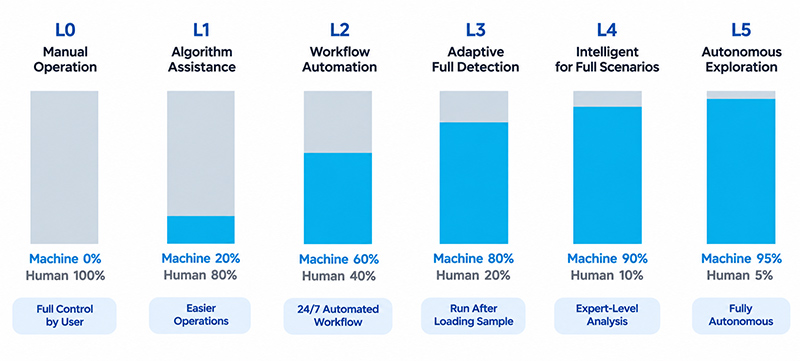
Figure 8. CIQTEK Roadmap for Intelligent Electron Microscopy from L0 to L5
The direction is not about replacing researchers. It is about taking more repetitive work out of the SEM workflow, while keeping scientific judgment where it belongs: with the user.
As SEM automation continues to develop, CIQTEK plans to expand reusable Skills and workflow capabilities so more successful methods can be shared, repeated, and improved across different applications.