


A recent study led by Professor Yao Xiao's team at Wenzhou University reveals how surface reconstruction integrated with bulk defect engineering can overcome several long-standing stability limitations of Na-layered oxide cathodes.
Using a combination of theoretical calculations, synchrotron X-ray absorption spectroscopy, resonant inelastic X-ray scattering, spherical-aberration-corrected scanning transmission electron microscopy, operando electrochemical mass spectrometry, and scanning electron microscopy, the researchers demonstrated that Y-induced bulk defect regulation and a robust reconstructed surface layer can work together to stabilize both bulk and interfacial chemistry.
The strategy suppresses excessive lattice oxygen oxidation and O-O dimer formation, improves Na-ion transport, reduces transition-metal dissolution, relieves lattice strain, and enhances oxygen-redox reversibility. The result is significantly improved reaction kinetics, cycling stability, and electrochemical performance in high-voltage Na-layered oxide cathodes.
The work, titled “Surface Reconstruction-Integrated Bulk Defect Engineering Beyond Conventional Chemical Modulation for Na-Layered Oxide Cathodes,” was published in Advanced Materials in 2026.
Why Na-Layered Oxide Cathodes Need Better Stabilization
The dual goals of reducing cost and extending service life continue to drive the development of energy-storage systems.
Sodium-ion batteries are attracting increasing attention because sodium resources are abundant and relatively low in cost. Their operating mechanism is also similar to that of lithium-ion batteries, making them a promising route for large-scale energy storage.
Among candidate cathode materials, transition-metal layered oxides with the general formula O3-type NaTMO2 are particularly attractive because of their relatively high theoretical capacity, straightforward synthesis, and relatively high tap density.
However, deep desodiation at high voltage introduces a series of structural and interfacial problems.
These can include phase transitions, transition-metal migration, lattice oxygen loss, and interfacial side reactions. Together, these processes can result in structural collapse, capacity decay, particle cracking, and pulverization.
Conventional strategies such as surface coating, bulk doping, and oxygen-vacancy regulation can improve certain aspects of bulk, surface, or interfacial behavior, but it remains difficult to simultaneously optimize all three.
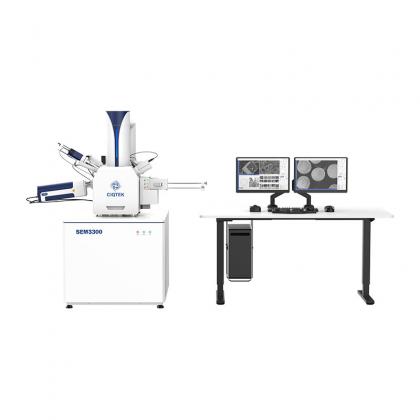
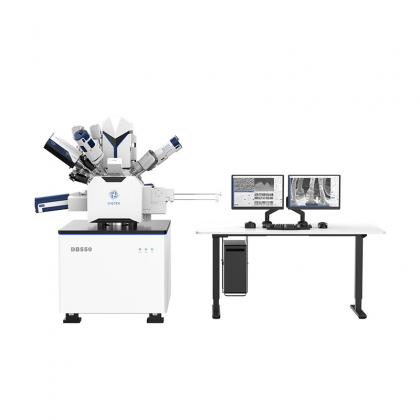
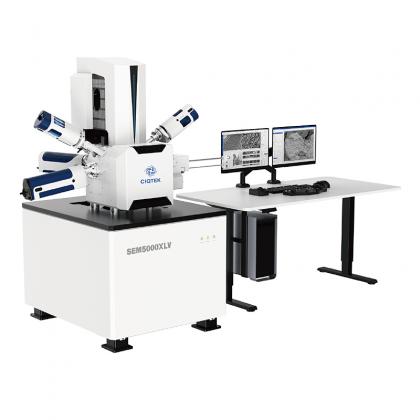
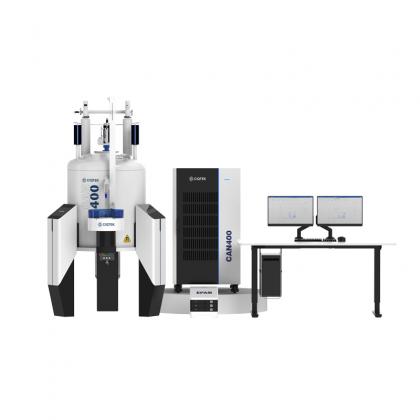
To address these challenges, Professor Yao Xiao's team at Wenzhou University conducted an in-depth investigation using CIQTEK scanning electron microscopy as part of the multi-scale characterization workflow. With O3-NaNi1/3Fe1/3Mn1/3O2 as the model cathode, the researchers developed a surface reconstruction-integrated bulk defect engineering strategy to simultaneously regulate bulk, surface, and interfacial stability.
By introducing an appropriate amount of Y into the material, the researchers regulated the local electronic structure and defect chemistry.
The strong Y-O-TM coupling effect, together with charge compensation associated with oxygen vacancies, modulates the O 2p orbital electronic structure and suppresses excessive lattice oxygen oxidation and the formation of O-O dimers caused by charge localization.
At the same time, the reconstructed surface phase not only improves interfacial Na-ion transport, but also provides a mechanically robust barrier that helps suppress interfacial side reactions and transition-metal dissolution.
As a result, both oxygen-redox reversibility and local coordination stability are significantly improved, leading to better electrochemical kinetics and charge-transfer efficiency.
The research team supported these conclusions using theoretical calculations, synchrotron X-ray absorption spectroscopy, resonant inelastic X-ray scattering, spherical-aberration-corrected scanning transmission electron microscopy, operando electrochemical mass spectrometry, and other advanced characterization methods. CIQTEK scanning electron microscopy was also used to provide important morphological evidence supporting the structural analysis.
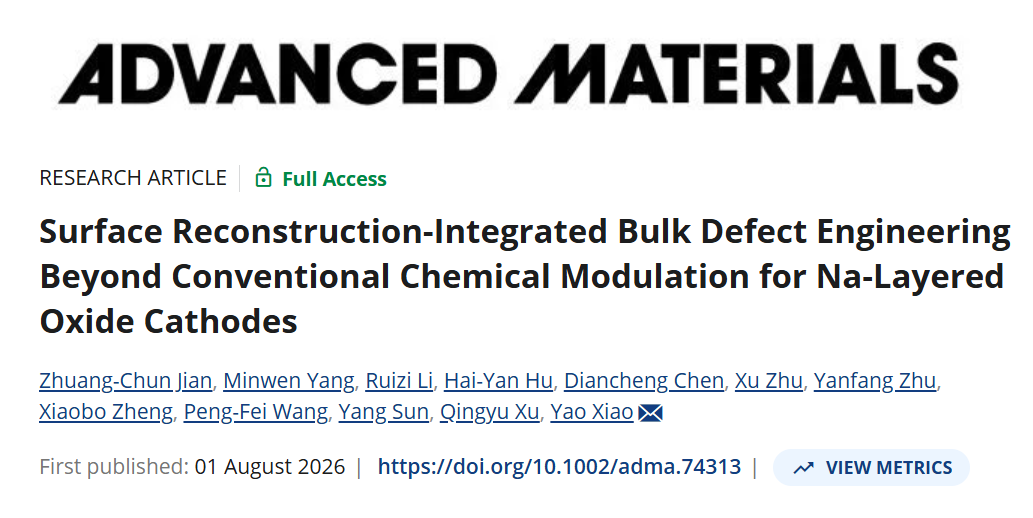
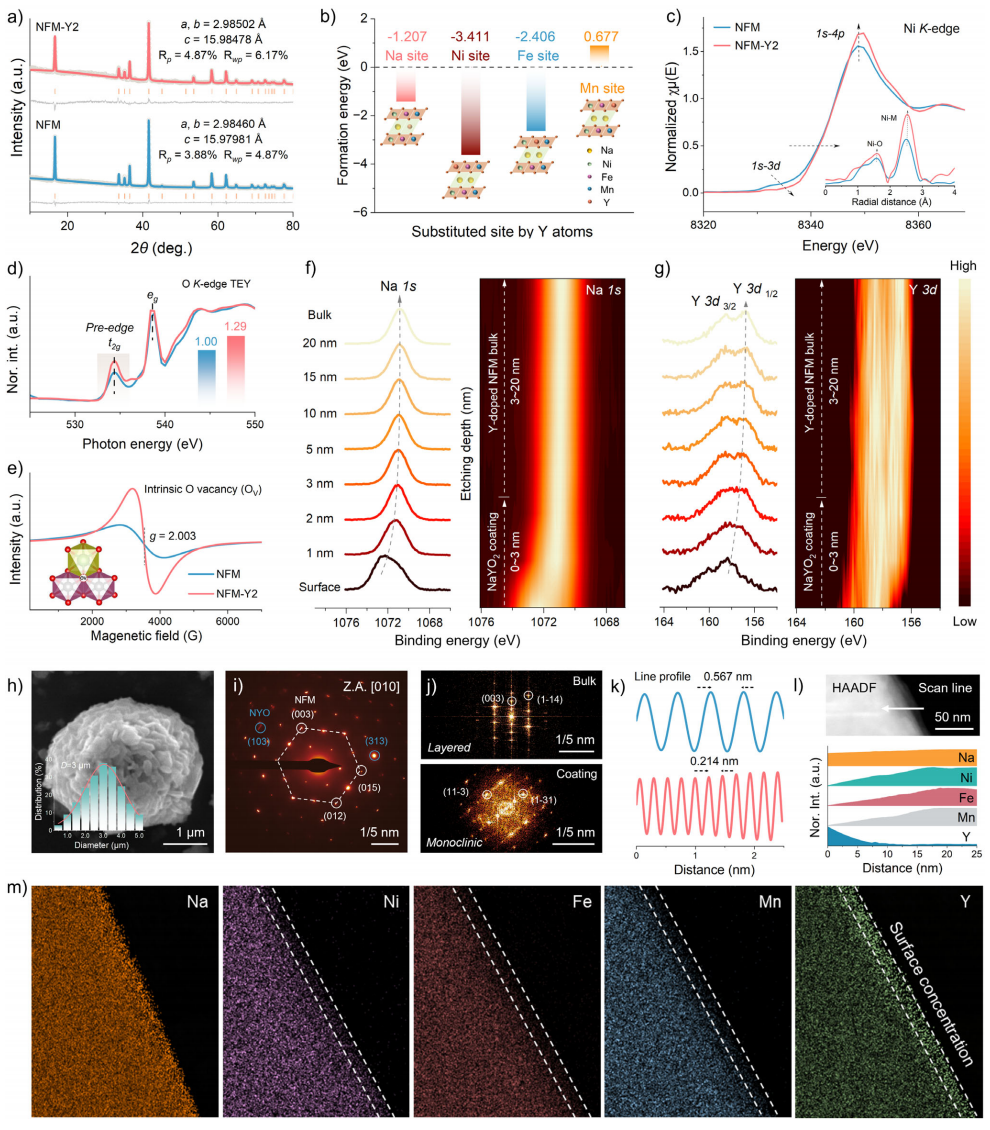
Figure 1. Structural and compositional characterization of the pristine and Y-modified Na-layered oxide cathodes.
Structural and Compositional Characterization
The first group of results examines the crystal structure, electronic states, elemental distribution, and multi-scale morphology of the pristine and modified materials.
Powder X-ray diffraction and Rietveld refinement show that the modified sample retains the hexagonal O3 layered structure, with only weak characteristic diffraction features associated with Y-containing modification.
The slightly expanded lattice parameters indicate that the modification produces a measurable structural effect without destroying the overall layered framework.
Ni K-edge X-ray absorption spectroscopy and Fourier-transformed extended X-ray absorption fine structure measurements further demonstrate that the modification changes the average local coordination environment while improving the stability of the NiO6 octahedral framework.
O K-edge soft X-ray absorption spectroscopy, together with electron paramagnetic resonance measurements, confirms an increased concentration of oxygen vacancies in the modified material.
Depth-resolved hard X-ray photoelectron spectroscopy further reveals the variation in chemical states of Na and Y from the surface toward the bulk.
The results support the presence of a Y-containing coordination environment and indicate that Y participates in a local Y-O-TM coordination structure.
Scanning electron microscopy shows that the modified cathode maintains a spherical secondary-particle morphology.
Selected-area electron diffraction and high-resolution electron microscopy further reveal that the modified sample contains a surface reconstruction layer while preserving the layered bulk phase.
Elemental mapping shows a relatively uniform distribution of Ni, Fe, and Mn throughout the particles, while Y is enriched near the surface with a gradient toward the interior.
Together, these observations confirm successful modification across both the bulk and surface regions.
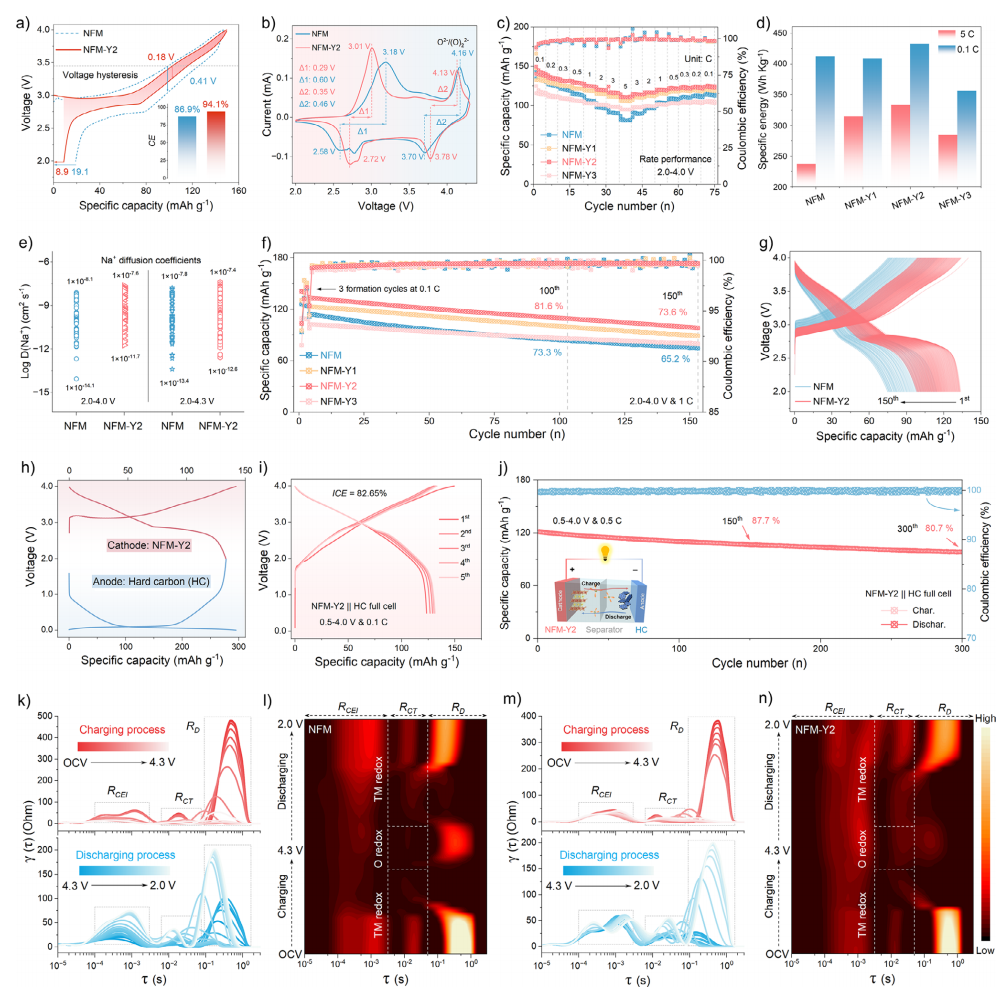
Figure 2. Electrochemical performance and kinetic behavior of pristine and Y-modified Na-layered oxide cathodes.
Electrochemical Performance and Reaction Kinetics
The electrochemical data demonstrate a clear performance advantage for the modified cathode.
Galvanostatic charge-discharge curves at 0.1 C show that the pristine material has pronounced voltage hysteresis and relatively low initial Coulombic efficiency.
By contrast, the modified sample shows a lower charge-discharge hysteresis and an initial Coulombic efficiency of approximately 94.1%, indicating improved reaction reversibility.
Differential capacity analysis further shows that the modified sample has smaller oxidation-reduction peak separations.
This indicates improved redox reversibility and faster electrochemical kinetics.
Rate-performance measurements from 2.0 to 4.0 V show that the modified material maintains higher discharge capacity across different current densities.
Even at high rates, the Y-modified cathode retains a clear capacity advantage over the pristine material.
Calculated Na-ion diffusion coefficients indicate that the modified sample exhibits an improvement of approximately one to two orders of magnitude in sodium-ion diffusion capability.
Long-term cycling tests also show that the modified cathode maintains higher capacity retention, better energy efficiency, and a more stable voltage profile.
The modified cathode was further paired with a hard-carbon anode to evaluate its practical potential in a full-cell configuration.
The full-cell results confirm stable charge-discharge behavior and extended cycling performance.
Operando electrochemical impedance spectroscopy resolves the total impedance into contributions from the cathode-electrolyte interphase, charge-transfer resistance, and bulk diffusion resistance.
Compared with the pristine material, the modified cathode shows lower and more stable impedance values during cycling. This indicates substantial improvements in interfacial stability and Na-ion transport.
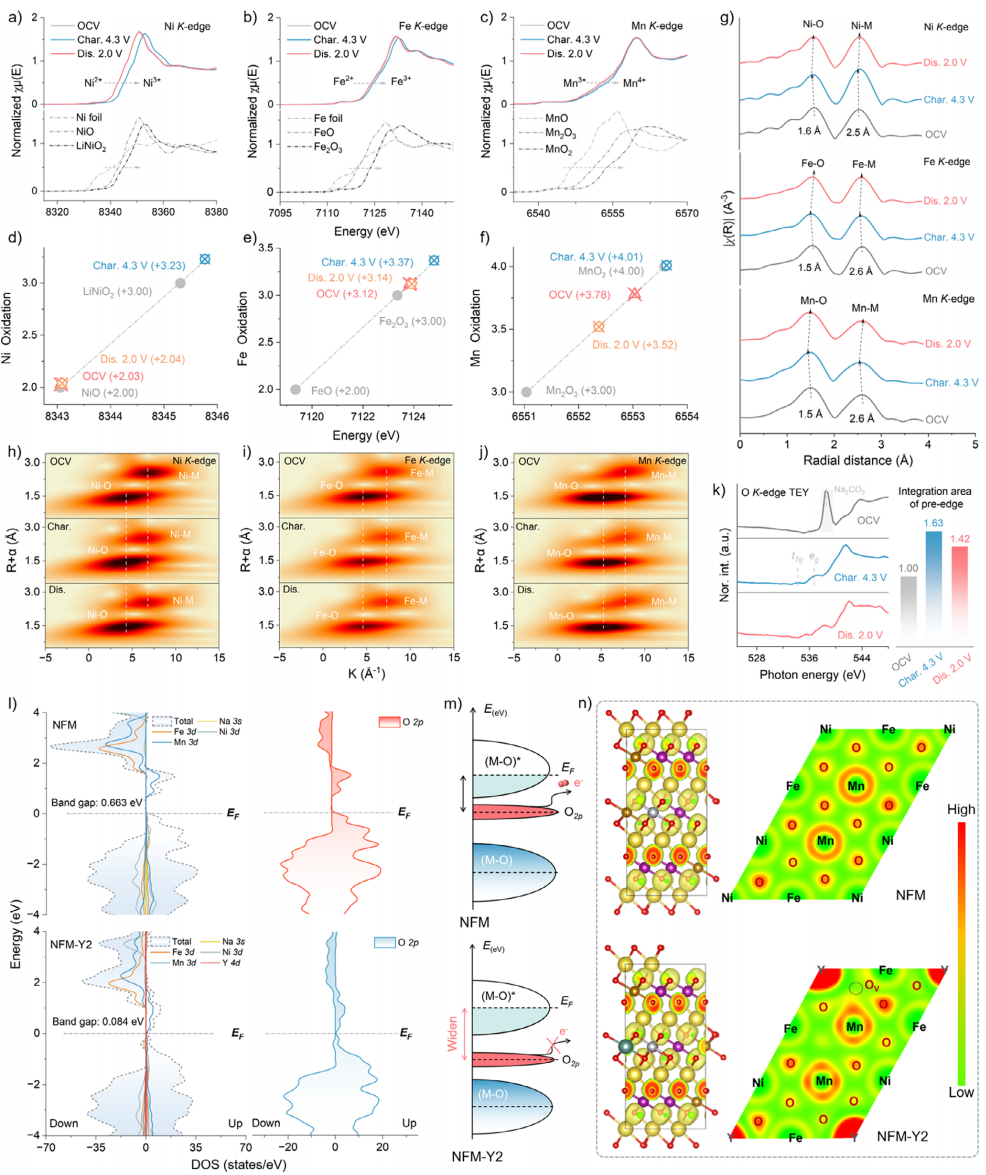
Figure 3. Charge compensation mechanism and electronic-structure evolution during electrochemical cycling.
Charge Compensation and Electronic-Structure Evolution
To understand why the modified cathode displays improved electrochemical behavior, the researchers investigated charge compensation and electronic-structure evolution using non-resonant X-ray emission spectroscopy, density-of-states calculations, and electronic localization analysis.
Ni, Fe, and Mn K-edge X-ray absorption spectroscopy collected at different states of charge provides insight into the transition-metal redox process.
The analysis shows that Ni2+/Ni3+/Ni4+ acts as the main transition-metal charge-compensation center during charging and discharging.
Fe and Mn also participate in oxygen-redox-related charge redistribution.
Importantly, these changes remain reversible after discharge.
Ni, Fe, and Mn K-edge Fourier-transformed EXAFS results, together with wavelet-transform maps, indicate that the TMO6 octahedra undergo reversible contraction and expansion during cycling without permanent structural collapse.
O K-edge soft X-ray absorption measurements at different states of charge further demonstrate reversible participation of lattice oxygen in charge compensation.
Projected density-of-states calculations show that Y 4d states broaden the electronic bandwidth and enhance electron conductivity.
At the same time, Y incorporation regulates the O 2p electronic structure.
Comparisons of calculated oxygen-redox thermodynamics show a clear difference between the pristine and modified materials.
Electron localization function maps further indicate increased electron density around oxygen atoms and reduced electron localization after Y incorporation. These effects strengthen lattice-oxygen anchoring and help suppress irreversible oxygen oxidation.
【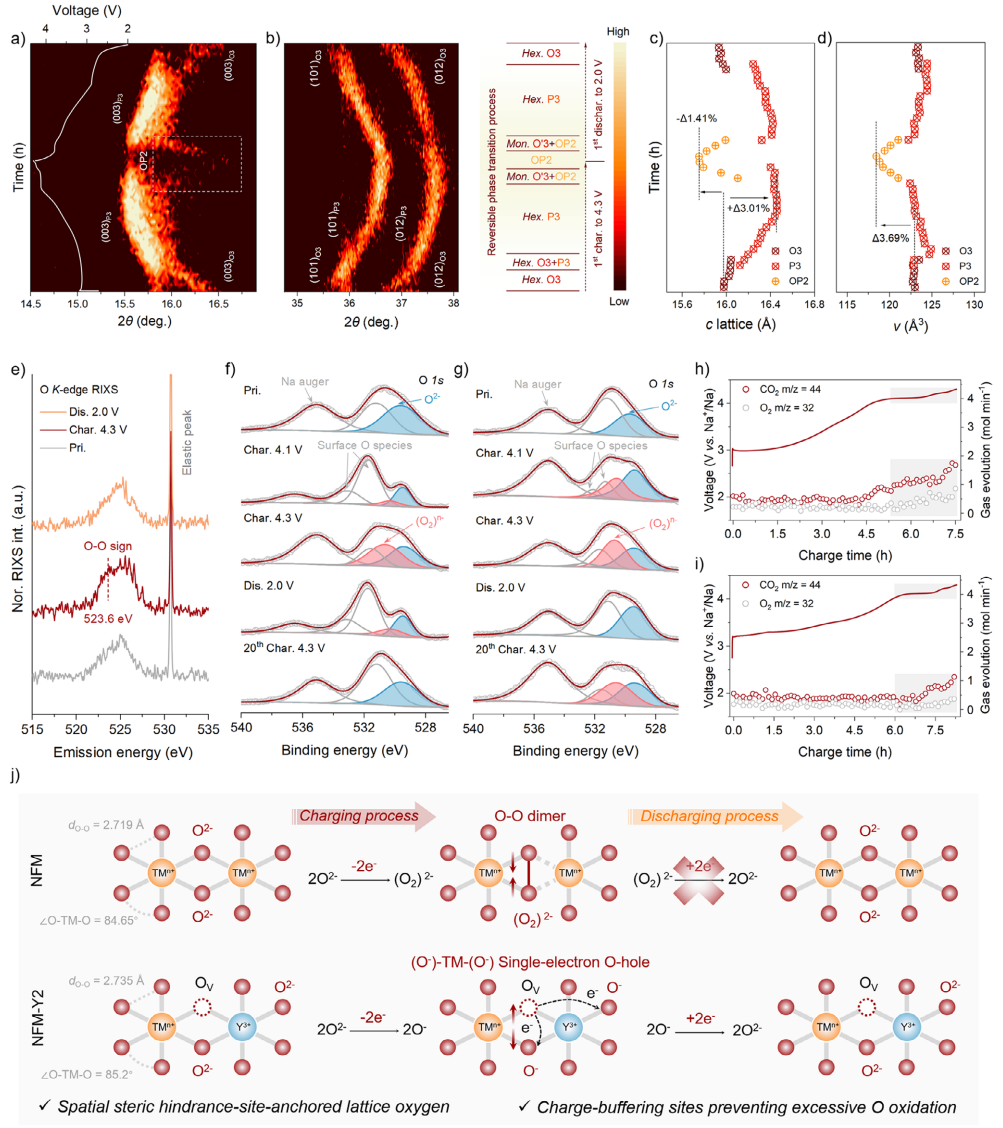
Figure 4. Lattice evolution and anionic oxygen-redox mechanism during charge and discharge.
Lattice Evolution and Reversible Oxygen Redox
Operando X-ray diffraction, resonant inelastic X-ray scattering, X-ray photoelectron spectroscopy, and operando differential electrochemical mass spectrometry were used to further reveal phase evolution and the reversibility of anionic oxygen redox.
Operando XRD collected during the first charge-discharge cycle shows a more reversible phase-evolution pathway for the modified cathode.
The simultaneous variation of c-axis lattice parameters and unit-cell volume also shows that the modified material undergoes substantially less lattice expansion and volume change during cycling.
This reduction in structural fluctuation helps relieve cycling-induced lattice stress.
Non-resonant O K-edge RIXS results collected during charging to 4.3 V show that only a reversible oxidized oxygen signal is generated.
No obvious irreversible O2 release is observed.
After discharge, the oxidized oxygen feature disappears, supporting the reversibility of the oxygen-redox process.
The pristine material behaves differently.
After discharge, irreversible peroxide-related signals remain and become progressively more pronounced with cycling.
The modified material, in contrast, shows reversible disappearance of the oxidized oxygen species and maintains oxygen-redox activity even after extended cycling.
Operando differential electrochemical mass spectrometry provides further evidence.
The pristine material releases significant CO2 and O2 in the high-voltage region.
Gas evolution from the modified cathode is clearly suppressed.
The proposed mechanism is that the pristine material more readily accumulates irreversible O-O dimers, eventually resulting in permanent oxygen loss.
By contrast, the modified material relies on charge compensation from oxygen vacancies and the steric and electronic effects introduced by Y to generate more reversible electronic oxygen vacancies. This structural environment suppresses the formation of irreversible peroxide-like oxygen dimers.
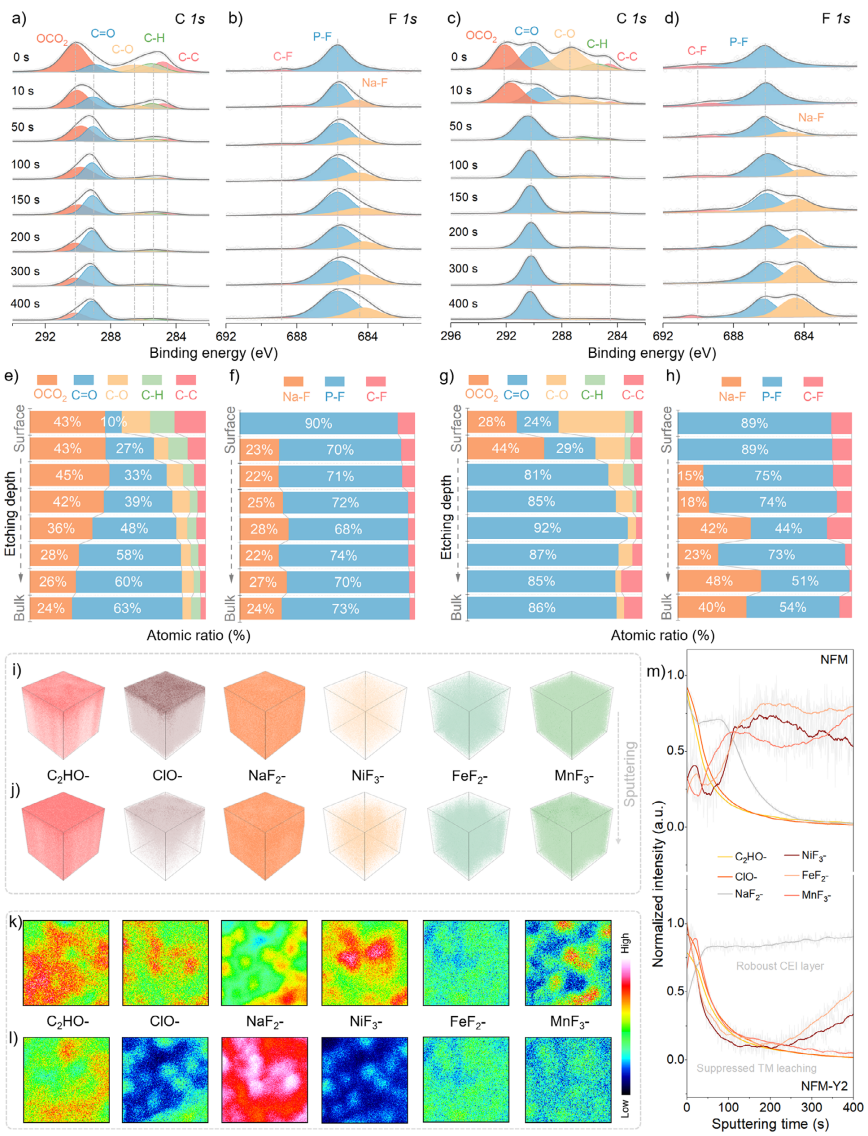
Figure 5. Interfacial film evolution and side-reaction analysis of pristine and modified cathodes.
Interfacial Film Evolution and Suppression of Side Reactions
The study also investigated the cathode-electrolyte interface using depth-resolved X-ray photoelectron spectroscopy and time-of-flight secondary-ion mass spectrometry.
After cycling, the pristine cathode develops a relatively thick and unstable interphase.
The surface contains a high proportion of organic and inorganic electrolyte-decomposition products.
These species gradually penetrate toward the interior of the particles, indicating extensive interfacial side reactions.
In contrast, the modified cathode develops a thinner and more uniform NaF-rich interfacial layer.
This more stable interface helps suppress electrolyte decomposition and transition-metal dissolution.
Three-dimensional time-of-flight secondary-ion mass spectrometry and two-dimensional chemical maps further show that the pristine material accumulates larger amounts of electrolyte decomposition products and dissolved transition-metal species.
Some of these species migrate into the particle interior.
The modified cathode shows significantly weaker signals from these undesirable products. The result demonstrates that the reconstructed surface substantially improves interfacial chemical stability.
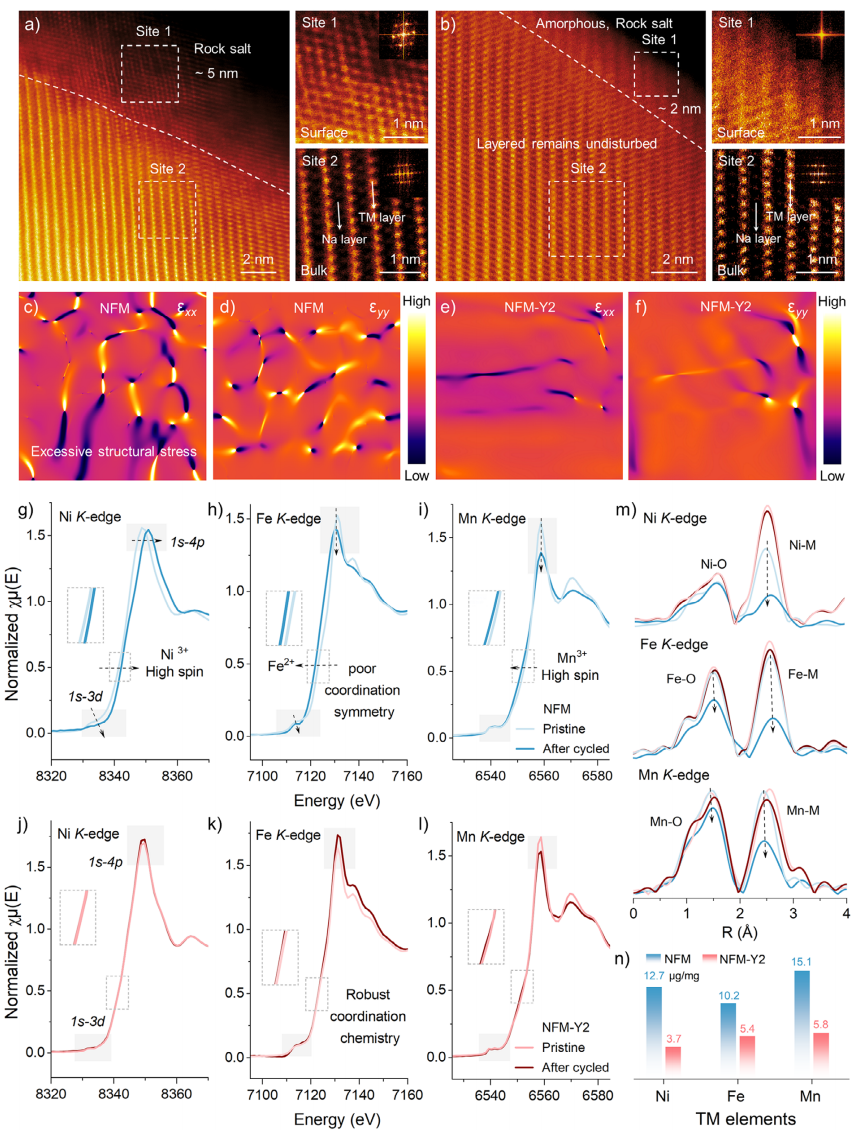
Figure 6. Structural evolution, lattice strain, and transition-metal coordination after long-term cycling.
Structural Evolution After Long-Term Cycling
The final part of the study focuses on how the pristine and modified materials evolve after extended cycling.
Spherical-aberration-corrected transmission electron microscopy, geometric phase analysis, synchrotron X-ray absorption spectroscopy, and electron-coupling-related spectroscopy were used to probe changes from the atomic scale to the particle scale.
After 150 cycles, the pristine cathode develops a rock-salt-like surface reconstruction layer approximately 5 nm thick.
Large numbers of dislocations and pronounced lattice distortion are also observed inside the particles.
The modified cathode, however, develops only an approximately 2 nm amorphous surface layer.
More importantly, the layered bulk structure remains highly ordered.
Geometric phase analysis reveals strong and highly anisotropic lattice strain in the pristine cathode.
Stress is concentrated near grain boundaries.
The modified cathode shows a much more uniform strain distribution and significantly lower overall strain intensity.
Synchrotron X-ray absorption measurements collected before and after cycling show irreversible transition-metal valence shifts and coordination-symmetry breakdown in the pristine cathode.
By contrast, the modified material shows very little change in either the shape or energy position of the absorption spectra.
Fourier-transformed extended X-ray absorption fine structure analysis further confirms that the TMO6 octahedral coordination remains intact in the modified cathode.
Quantification of dissolved transition metals in the electrolyte also shows significantly lower dissolution of Ni, Fe, and Mn from the modified material. These results demonstrate a substantial improvement in interfacial and structural stability.
A Multi-Level Strategy Beyond Conventional Chemical Modification
This study introduces a coordinated strategy based on surface reconstruction and bulk defect engineering to overcome multiple limitations of Na-layered oxide cathodes.
Unlike conventional approaches that rely primarily on a single chemical modification method, the strategy simultaneously regulates the bulk, surface, and interface.
The combined experimental and theoretical results reveal three key stabilization mechanisms.
First, a more strongly bonded reconstructed surface layer improves interfacial stability and suppresses electrolyte decomposition and transition-metal dissolution.
Second, Y incorporation and oxygen-vacancy engineering regulate the local coordination and O 2p electronic structure, enabling a more reversible oxygen-redox pathway while suppressing irreversible O-O dimer formation.
Third, the modified structure improves Na-ion transport, reduces lattice strain, and stabilizes the transition-metal coordination environment during prolonged cycling.
Together, these effects significantly improve oxygen-redox reversibility, Na-ion diffusion kinetics, electrochemical reaction kinetics, and long-term structural stability.
The resulting Na-layered oxide cathode shows a strong combination of electrochemical performance and fast reaction kinetics, highlighting its potential for practical high-voltage sodium-ion batteries.
More broadly, the study establishes a new design framework for next-generation layered oxide cathodes that combines surface reconstruction, lattice-defect engineering, and interfacial regulation rather than relying on isolated chemical-modification strategies.
Reference
Z.-C. Jian, M. Yang, R. Li, et al.
“Surface Reconstruction-Integrated Bulk Defect Engineering Beyond Conventional Chemical Modulation for Na-Layered Oxide Cathodes.”
Advanced Materials (2026): e74313.
DOI: 10.1002/adma.74313