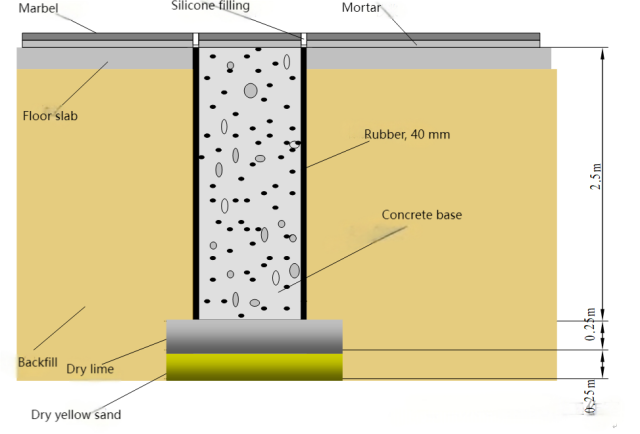
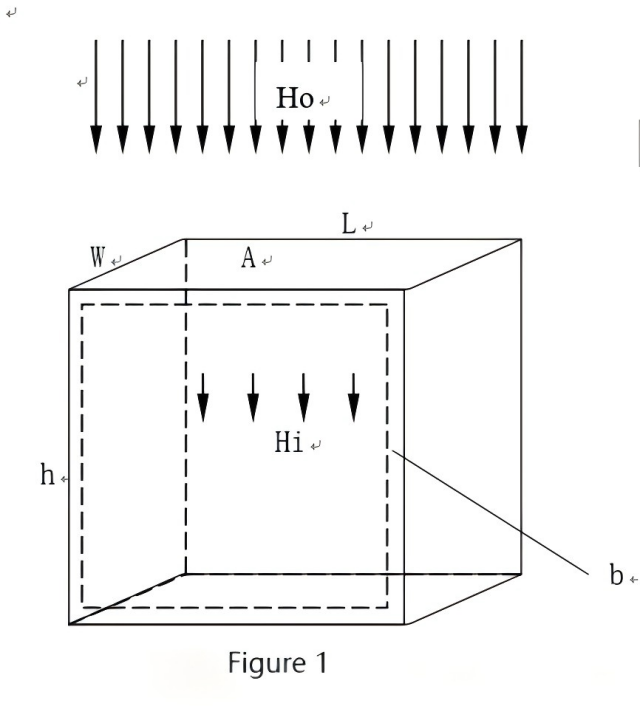
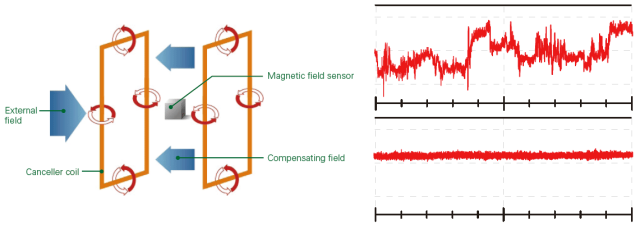
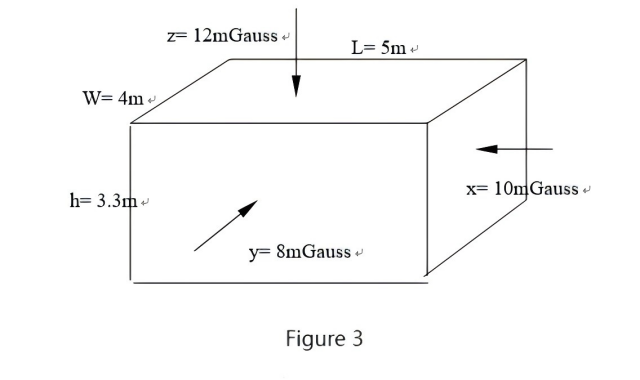
The environment of an electron microscopy lab does not directly impact the electron microscope itself but rather affects the imaging quality and overall performance of the microscope. During the operation of an electron microscope, the fine electron beam needs to travel in a high vacuum environment, covering a distance of 0.7 meters (for Scanning Electron Microscope) to over 2 meters (for Transmission Electron Microscope). Along the path, external factors such as magnetic fields, ground vibrations, noise in the air, and airflows can cause the electron beam to deviate from its intended path, leading to a degradation in imaging quality. Therefore, specific requirements need to be met for the surrounding environment. As is well known, electromagnetic waves consist of alternating magnetic and electric fields. However, it is important to consider the frequency when measuring electromagnetic waves using either magnetic or electric fields. In practice, it is necessary to take the frequency into account. At very low frequencies (as the frequency tends to zero, equivalent to a DC magnetic field), the magnetic component of the electromagnetic wave becomes stronger while the electric component weakens. As the frequency increases, the electric component strengthens and the magnetic component decreases. This is a gradual transition without a distinct turning point. Generally, from zero to a few kilohertz, the magnetic field component can be well characterized, and units such as Gauss or Tesla are used to measure the field strength. Above 100 kHz, the electric field component is better measured, and the unit used for field strength is volts per meter (V/m). When dealing with a low-frequency electromagnetic environment with a strong magnetic field component, reducing the magnetic field directly is an effective approach. Next, we will focus on the practical application of shielding a low-frequency (0-300 Hz), electromagnetic field with a magnetic field strength ranging from 0.5 to 50 milligauss (peak-to-peak) in a shielded volume of 40-120 cubic meters. Considering cost-effectiveness, the shielding material used is typically low-carbon steel plate Q195 (formerly known as A3). Since the eddy current loss of a single thick material is greater than that of multiple thin layers (with the same total thickness), thicker single-layer materials are preferred unless there are specific requirements. Let's establish a mathematical model: 1. Derivation of the formula Since the energy of low-frequency electromagnetic waves is mainly composed of magnetic field energy, we can use high-permeability materials to provide magnetic bypass paths to reduce the magnetic flux density inside the shielding volume. By applying the analysis method of parallel shunt circuits, we can derive the calculation formula for the parallel shunting of magnetic flux paths. Here are some definitions: Ho: External magnetic field strength Hi: Magnetic field strength ins...
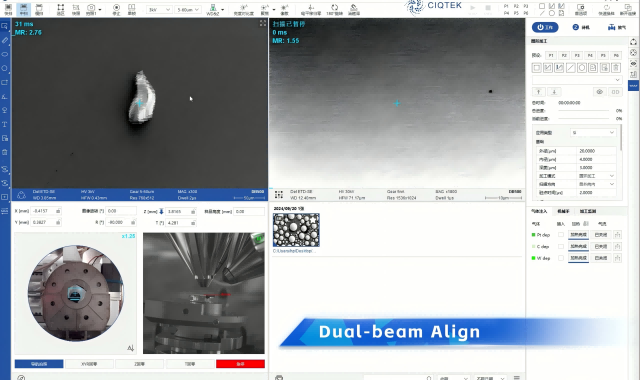
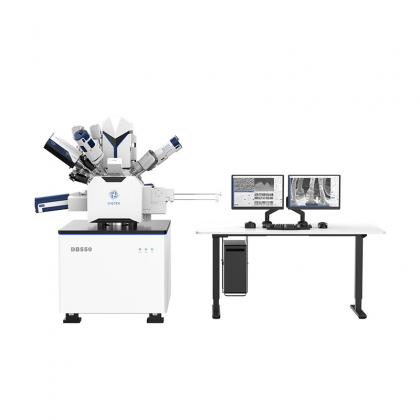
View MoreCIQTEK FIB-SEM Practical Demonstration Focused Ion Beam Scanning Electron Microscope (FIB-SEM) are essential for various applications such as defect diagnosis, repair, ion implantation, in-situ processing, mask repair, etching, integrated circuit design modification, chip device fabrication, maskless processing, nanostructure fabrication, complex nano-patterning, three-dimensional imaging and analysis of materials, ultra-sensitive surface analysis, surface modification, and transmission electron microscopy specimen preparation. CIQTEK has introduced the FIB-SEM DB550, which features an independently controllable Field Emission Scanning Electron Microscope (FE-SEM) with Focused Ion Beam (FIB) Columns. It is an elegant and versatile nanoscale analysis and specimen preparation tool that adopts “SuperTunnel” electron optics technology, low aberration, and non-magnetic objective design with low voltage and high-resolution capability to ensure the nano-scale analysis. The ion column facilitates a Ga+ liquid metal ion source with a highly stable, high-quality ion beam to ensure nano-fabrication capability. DB550 has an integrated nano-manipulator, gas injection system, electrical anti-contamination mechanism for the objective lens, and user-friendly GUI software, facilitating an all-in-one nanoscale analysis and fabrication workstation. To showcase the outstanding performance of the DB550, CIQTEK has planned a special event called "CIQTEK FIB-SEM Practical Demonstration." This program will present videos demonstrating the broad applications of this cutting-edge equipment in fields such as materials science, the semiconductor industry, and biomedical research. Viewers will gain an understanding of the working principles of the DB550, appreciate its stunning microscale images, and explore the significant implications of this technology for scientific research and industrial development. Nano-Micropillar Specimen Preparation Nano-micropillar Specimen Preparation has been successfully achieved, demonstrating the powerful capabilities of the CIQTEK Focused Ion Beam Scanning Electron Microscope in nanoscale processing and analysis. The product's performance provides precise, efficient, and multimodal testing support for customers engaged in nanomechanical testing, facilitating breakthroughs in materials research.
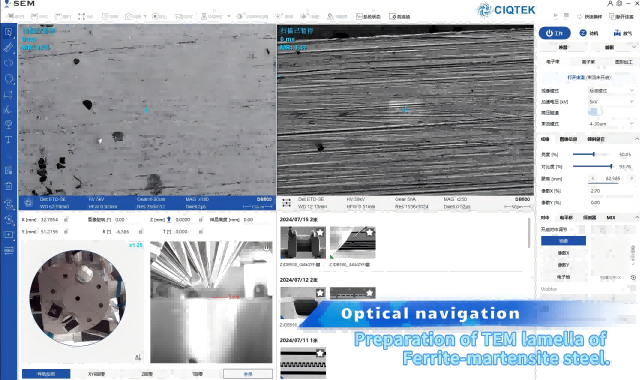
View MoreCIQTEK FIB-SEM Practical Demonstration Focused Ion Beam Scanning Electron Microscope (FIB-SEM) are essential for various applications such as defect diagnosis, repair, ion implantation, in-situ processing, mask repair, etching, integrated circuit design modification, chip device fabrication, maskless processing, nanostructure fabrication, complex nano-patterning, three-dimensional imaging and analysis of materials, ultra-sensitive surface analysis, surface modification, and transmission electron microscopy specimen preparation. CIQTEK has introduced the FIB-SEM DB550, which features an independently controllable Field Emission Scanning Electron Microscope (FE-SEM) with Focused Ion Beam (FIB) Columns. It is an elegant and versatile nanoscale analysis and specimen preparation tool, that adopts “SuperTunnel” electron optics technology, low aberration, and non-magnetic objective design with low voltage and high-resolution capability to ensure the nano-scale analysis. The ion column facilitates a Ga+ liquid metal ion source with a highly stable, high-quality ion beam to ensure nano-fabrication capability. DB550 has an integrated nano-manipulator, gas injection system, electrical anti-contamination mechanism for the objective lens, and user-friendly GUI software, which facilitates an all-in-one nanoscale analysis and fabrication workstation. To showcase the outstanding performance of the DB550, CIQTEK has planned a special event called "CIQTEK FIB-SEM Practical Demonstration." This program will present videos demonstrating the broad applications of this cutting-edge equipment in fields such as materials science, the semiconductor industry, and biomedical research. Viewers will gain an understanding of the working principles of the DB550, appreciate its stunning microscale images, and explore the significant implications of this technology for scientific research and industrial development. Preparation of a transmission specimen of Ferrite-martensite steel The FIB-SEM DB550 developed by CIQTEK possesses the capability to prepare transmission specimens of ferrite-martensite steel flawlessly. This capability enables researchers in the nanoscale domain to directly observe the interface characteristics, microstructural morphology, and evolution process of ferrite and martensite phases. These observations are crucial steps toward deepening the understanding of the relationship between phase transformation kinetics, microstructural organization, and mechanical properties of ferrite-martens steel.
View MoreFrom rich peanut oil to fragrant olive oil, edible vegetable oils enrich our diets and provide diverse nutritional benefits. With rising living standards and increasing oil consumption, ensuring the quality and safety of edible oils has become critical. Using Electron Paramagnetic Resonance (EPR) to Evaluate Oil Quality EPR technology offers unique advantages: no sample pretreatment, non‑destructive, in‑situ, and highly sensitive. It is increasingly used in edible oil quality monitoring. EPR can detect unpaired electrons in oil molecules, which are early markers of oxidation. Oil oxidation is essentially a free radical chain reaction, producing radicals such as ROO·, RO·, and R·. By identifying these radicals, EPR allows scientific evaluation of oxidation level and stability before visible or sensory changes appear. This early detection is critical for preventing degradation caused by light, heat, oxygen exposure, or metal catalysts. Unsaturated fatty acids are particularly prone to oxidation, even at room temperature, which affects flavor, nutrition, and shelf life. Benefits of using EPR for oil stability: Ensures safer, fresher edible oil for consumers. Guides effective antioxidant use. Supports quality control in oil‑containing foods. Extends product shelf life. Thus, EPR technology provides a direct, sensitive, and non‑destructive approach to monitor edible oil quality, safeguarding public health. Practical Applications of EPR in Oil Monitoring Principle During lipid oxidation, various free radicals are generated. These radicals are highly reactive and short-lived, so spin trapping is often used. Spin trapping agents (like PBN) react with unstable radicals to form stable radical adducts that EPR can detect reliably. Application 1: Evaluating Oxidative Stability During each step of production, the free radical concentration can be measured, and the gradual changes in oxidation can be tracked. This allows for a precise determination of the product’s antioxidant capacity. For example, when PBN is used to trap radicals generated during peanut oil oxidation, stable radical adducts form. The EPR spectra of these adducts provide direct insight into oil oxidation. The stronger the EPR signal, the higher the free radical content, and the more oxidized the oil is. EPR spectra also reveal the effects of external factors, such as temperature. As temperature increases, the EPR signal intensity of radicals rises, indicating that higher temperatures accelerate oil oxidation. Application 2: Assessing Antioxidant Effectiveness This study compares the effects of different antioxidants on the EPR signal intensity of peanut oil. Various antioxidants were added to the oil, including VE, BHT, BHA, a combination of BHA + BHT, and a combination of TBHQ + CA. As shown in the Figure, the Y-axis represents the spin concentration. Samples with added antioxidants show significantly lower spin signa...
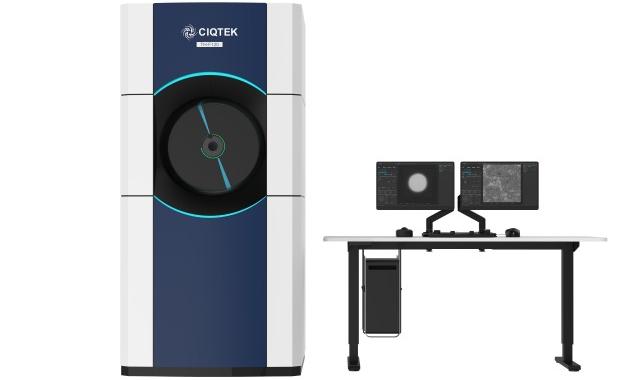
View MoreDiffraction Limit Diffraction spots Diffraction occurs when a point light source passes through a circular aperture, creating a diffraction pattern behind the aperture. This pattern consists of a series of concentric bright and dark rings known as Airy discs. When the Airy discs of two point sources overlap, interference occurs, making it impossible to distinguish between the two sources. The distance between the centers of the Airy discs, which is equal to the radius of the Airy disc, determines the diffraction limit. The diffraction limit imposes a limitation on the resolution of optical microscopes, preventing the resolvable distinction of objects or details that are too close together. The shorter the wavelength of light, the smaller the diffraction limit and the higher the resolution. Moreover, optical systems with a larger numerical aperture (NA) have a smaller diffraction limit and thus higher resolution. Airy discs The formula for calculating resolution, NA represents the numerical aperture: Resolution(r) = 0.16λ / NA Throughout history, scientists have embarked on a long and challenging journey to surpass the diffraction limit in optical microscopes. From early optical microscopes to modern super-resolution microscopy techniques, researchers have continuously explored and innovated. They have attempted various methods, such as using shorter wavelength light sources, improving the design of objectives, and employing specialized imaging techniques. Some important breakthroughs include: 1. Near-field scanning optical microscopy (NSOM): NSOM uses a probe placed close to the sample surface to take advantage of the near-field effect and achieve high-resolution imaging. 2. Stimulated emission depletion microscopy (STED): STED utilizes the stimulated emission depletion effect of fluorescent molecules to achieve super-resolution imaging. 3. Structured illumination microscopy (SIM): SIM enhances imaging resolution through specific illumination patterns and image processing algorithms. 4. Single-molecule localization microscopy (SMLM): SMLM achieves super-resolution imaging by precisely localizing and tracking individual fluorescent molecules. 5. Oil immersion microscopy: Immersing the objective lens in a transparent oil increases the numerical aperture in the object space, resulting in improved resolution. 6. Electron microscope: By substituting electron beams for light beams, electron microscopy takes advantage of the wave nature of matter according to the de Broglie principle. Electrons, having mass compared to photons, possess a smaller wavelength and exhibit less diffraction, enabling higher imaging resolution. Inverted fluorescence microscope CIQTEK 120kV Field Emission Transmission Electron Microscope TH-F120 These developments have allowed us to observe the microscopic world at a highe...
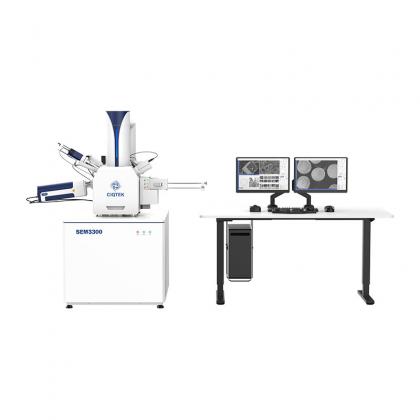
View MoreIntroducing CIQTEK tungsten filament Scanning Electron Microscope SEM3200 provides researchers with clear nanoscale images, allowing them to examine the microstructure and morphology of the coating layers visually. Additionally, the equipped Energy Dispersive Spectrometer (EDS) enables precise analysis of material composition and element distribution, effectively guiding process optimization in research and development. - Dr. Zhang, Head of Major Customers/Quality Director Coating: Giving Products a "Super Nanocoating" The development of coating technology not only showcases the depth of materials science but also demonstrates the precision manufacturing processes. Dr. Zhang explains, "Our company has developed superior-performing coatings such as diamond-like carbon (DLC)/ titanium-aluminum-carbon (TAC) films, nitride films, carbide films, high-density metal/alloy films, and optical films. These coating layers are like giving products a 'super nanocoating'." CIQTEK Scanning Electron Microscope Enhances the Quality of Nanocoating Layers Dr. Zhang states, "With the SEM3200, we can readily detect the total thickness of the coating layers, as well as the thickness and composition of each designed layer (substrate layer, transition layer, surface layer) in the samples provided by customers. Our in-house research and development can quickly provide design solutions. This enhances the efficiency of coating process development." The SEM3200 plays a crucial role in research and development and also acts as a key tool in quality control. "We can use it for failure analysis," says Dr. Zhang."Through comprehensive testing and characterization, we can identify the root causes of defective products, continuously improving product quality and yield." Scanning Electron Microscopes Facilitate the High-quality Development of Manufacture Dr. Zhang expresses that the SEM3200 not only operates in good condition with a user-friendly interface and high automation but also receives prompt responses from the CIQTEK after-sales team, solving many practical problems. This not only reflects the outstanding performance of CIQTEK products but also demonstrates the significant role of high-end scientific instruments in supporting the development of high-tech enterprises. In the future, CIQTEK will continue to provide first-class research solutions for more high-tech companies like coating, jointly promoting the flourishing development of the scientific and technological industry.
View MoreThe main pollutants in water bodies include pharmaceuticals, surfactants, personal care products, synthetic dyes, pesticides, and industrial chemicals. These pollutants are challenging to remove and can adversely affect human health, including the nervous, developmental, and reproductive systems. Therefore, protecting water environments is of utmost importance. In recent years, advanced oxidation processes (AOPs) such as Fenton-like reactions, persulfate activation, and UV-light-induced AOPs (e.g., UV/Cl2, UV/NH2Cl, UV/H2O2, UV/PS) as well as photocatalysts (e.g., bismuth vanadate (BiVO4), bismuth tungstate (Bi2WO6), carbon nitride (C3N4), titanium dioxide (TiO2) have gained attention in the field of water treatment and environmental remediation. These systems can generate highly reactive species such as hydroxyl radicals (•OH), sulfate radicals (•SO4-), superoxide radicals (•O2-), singlet oxygen (1O2), etc. These techniques significantly enhance the removal rates of organic pollutants compared to conventional physical and biological methods. The development of these water treatment technologies greatly benefits from the assistance of Electron Paramagnetic Resonance (EPR) technology. CIQTEK offers the desktop Electron Paramagnetic Resonance spectrometer EPR200M and the X-band continuous-wave Electron Paramagnetic Resonance spectrometer EPR200-Plus, which provide solutions for studying photocatalysis and advanced oxidation processes in water treatment. Application Solutions of Electron Paramagnetic Resonance (EPR) technology in water treatment research - Detect, identify, and quantify reactive species such as •OH, •SO4-, •O2-, 1O2, and other active species generated in photocatalytic and AOPs systems. - Detect and quantify vacancies/defects in remediation materials, such as oxygen vacancies, nitrogen vacancies, sulfur vacancies, etc. - Detect doped transition metals in catalytic materials. - Verify the feasibility and assist in optimizing various parameters of water treatment processes. - Detect and determine the proportion of reactive species during water treatment processes, providing direct evidence for pollutant degradation mechanisms. Application Cases of Electron Paramagnetic Resonance (EPR) technology in water treatment research Case 1: EPR in UV/ClO2-based advanced oxidation technology - EPR study of the degradation process of fluoroquinolone antibiotics in a UV-mediated AOPs system. - Degradation of pharmaceuticals and personal care products (PPCPs) in water by chlorine dioxide under UV conditions. - EPR detection and qualitative analysis of •OH and singlet oxygen as active species in the system. - Increase in •OH and 1O2 concentrations with longer irradiation times, promoting antibiotic degradation. - EPR detection of •OH and 1O2 co...
View MoreWhat is the Metal Fracture? When a metal breaks under external forces, it leaves behind two matching surfaces called "fracture surfaces" or "fracture faces." The shape and appearance of these surfaces contain important information about the fracture process. By observing and studying the morphology of the fracture surface, we can analyze the causes, properties, modes, and mechanisms of the fracture. It also provides insights into the stress conditions and crack propagation rates during the fracture. Similar to an "on-site" investigation, the fracture surface preserves the entire process of fracture. Therefore, examining and analyzing the fracture surface is a crucial step and method in studying metal fractures. Scanning electron microscope, with its large depth of field and high resolution, has been widely used in the field of fracture analysis. The application of scanning electron microscope in metal fracture analysis Metal fractures can occur in various failure modes. Based on the deformation level before fracture, they can be classified as brittle fracture, ductile fracture, or a mixture of both. Different fracture modes exhibit characteristic microscopic morphologies, and CIQTEK scanning electron microscope characterization can help researchers quickly analyze fracture surfaces. Ductile Fracture Ductile fracture refers to the fracture that occurs after a significant amount of deformation in the component, and its main feature is the occurrence of obvious macroscopic plastic deformation. The macroscopic appearance is cup-cone or shear with a fibrous fracture surface, characterized by dimples. As shown in Figure 1, at the microscale, the fracture surface consists of small cup-shaped micropores called dimples. Dimples are microvoids formed by localized plastic deformation in the material. They nucleate, grow, and coalesce, eventually leading to fracture, and leaving traces on the fracture surface. Figure 1: Ductile fracture surface of metal / 10kV / Inlens Brittle Fracture Brittle fracture refers to a fracture that occurs without significant plastic deformation in the component. The material undergoes little or no plastic deformation before fracture. Macroscopically, it appears crystalline, and microscopically, it can exhibit intergranular fracture, cleavage fracture, or quasi-cleavage fracture. As shown in Figure 2, it is a mixed brittle-ductile fracture surface of metal. In the ductile fracture region, noticeable dimples can be observed. In the brittle fracture region, intergranular brittle fracture occurs along different crystallographic orientations. At the microscale, the fracture surface exhibits multiple facets of the grains, with clear grain boundaries and a three-dimensional appearance. Smooth and featureless morphology is often observed on the grain boundaries. When the grains are coarse, the fracture surface appears crystalline, also known as a crystalline fracture; when the...
View More
No. 1969, Kongquetai Road, High-tech Zone, Hefei, Anhui, China
+8615156059133
+8613083191369
info@ciqtek.com
Sitemap | XML | Blog | Privacy Policy | IPv6 network supported